Skip to content
SediLogic Technologies

Anaerobic digesters

Slaughterhouse digester

High-strength waste going into a digester that was converting less of it to gas than the plant's generating set could use.

29%

more biogas

Field result
Duty
Anaerobic digesters
Sector
Industrial
Treatment window
1 month
What was counted
Biogas yield
  • 51 per cent higher power generation
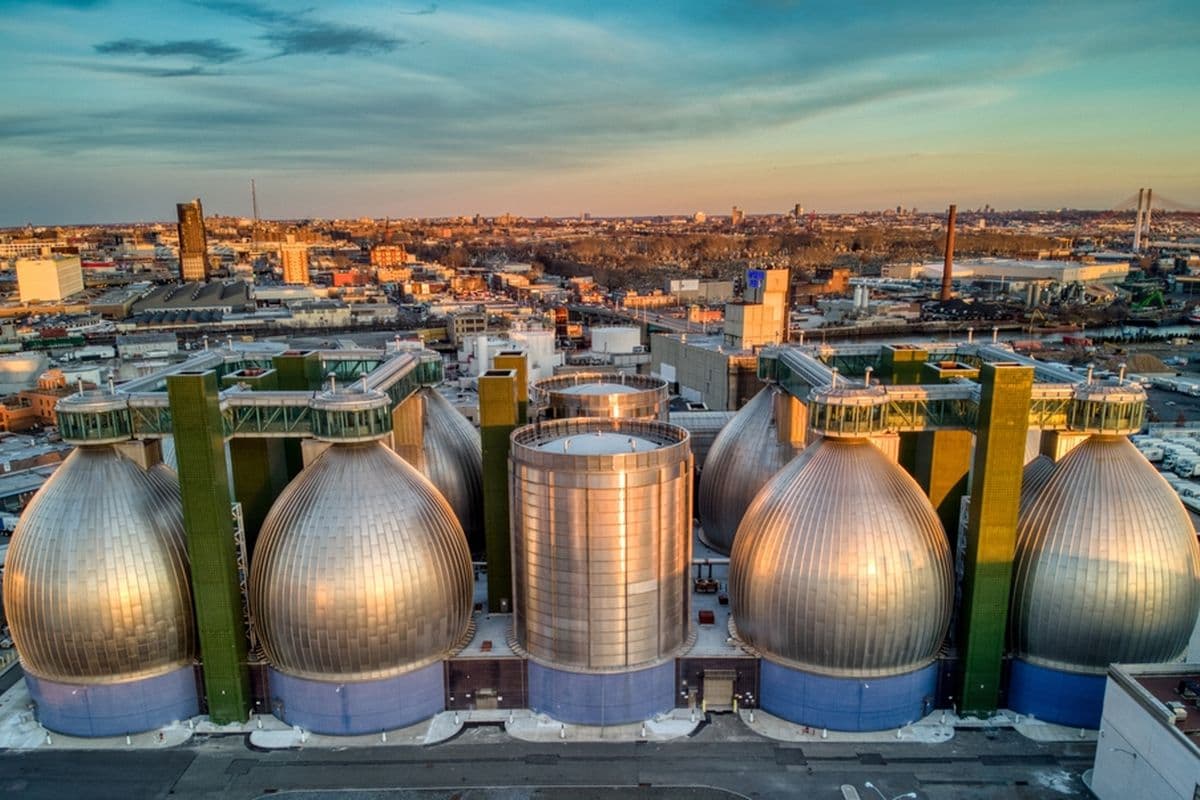
Anaerobic digester vessels at a wastewater treatment facility.
Illustration — anaerobic digester vessels, not the digester described on this page.

01The plant

What was being treated

The anaerobic digester of a swine slaughterhouse processing three to four hundred head a day and running its own effluent works, about 250 m³ (66,000 gallons) a day. The gas heats the site through a combined heat and power set.

02Before

How the material got there

The digester had been deliberately underloaded. It performed badly when pushed, so the operators kept the feed low and paid to send the rest away — intestinal waste, straw, blood, manure and other process waste, thirty-five to forty tons a day at around eight per cent total solids, which the digester reduces to about 1.8 per cent. The plant wanted the loading raised, not the digester rescued.

03Treatment

What was applied, and how

A blend of anaerobic organisms and fast-acting enzymes dosed into the inlet of the anaerobic tank, so it arrives with the feed rather than being placed in the vessel.

Every result in this library was measured at an operating plant treating with one of the formulations SediLogic supplies, over the window stated above. It is a field result published as reported, not a controlled trial we ran.

04Method

How the result was established

Biogas volume and the electrical output of the combined heat and power set, against the digester's own record before the addition.

05Outcome

What followed

Electrical generation rose 51 per cent, an extra 1,800 kWh a day, and waste that had been paying to leave the site now goes into the digester instead.

At the start

The digester run below its design loading, with the surplus waste disposed of off site.

At the close

An extra 538 m³ (19,000 ft³) of biogas a day, a 29 per cent increase, and the loading raised to the design maximum.

06Limits

What this record does not establish.

The 29 per cent and the 51 per cent are not the same kind of number. Gas rose while the operators were also raising the feed towards design loading, so some part of the extra gas is extra food and the record does not separate the two — and the power figure sits downstream of both, so it inherits the ambiguity and adds the generating set's own efficiency to it. Nothing was left untreated, no plant is named, and a digester is not a duty SediLogic sizes.

Only the volatile organic fraction of a sludge responds to any of this. Grit, sand, silt, mineral precipitates and plastics remain at any dose, here and everywhere else.

What we would supply

For this duty, we have nothing.

Nothing in the range is specified for an anaerobic digester. The dry and liquid articles SediLogic supplies are aerobic and facultative blends built for lagoons, collection systems and flowing pre-treatment, and a digester is a different vessel working a different way.

This record is here because the biology has been measured doing that work, not because there is an article behind it. If a digester is your problem, say so and we will tell you plainly whether we have anything for it — today the answer is that we do not.

Read next

The same duty, measured somewhere else.

  • Anaerobic digesters

    Potato processing digester

    Industrial90 days

    86%

    increase in biogas yield

    Field result

    A digester returning less gas than the organic load going into it suggested it should.

    • Biogas yield per kg of COD removed up 112 per cent
    • COD removal across the anaerobic unit 38 to 53 per cent
    Biogas yield
  • Wastewater lagoons

    Barbourville, Kentucky

    Municipal24 weeks

    43.3%

    of accumulated solids digested

    Field result

    Just over five feet of accumulated solids in the primary aerated lagoon, assessed at 2,365 dry tons. The plant wanted a route that did not involve dredging.

    • 1,025 dry tons removed
    • Average depth 5.08 ft to 2.65 ft
    Sludge depth and solids
  • Wastewater lagoons

    Inkom, Idaho

    MunicipalFive months, May to October

    48%

    reduction in solids volume overall

    Field result

    Accumulated solids across two lagoon cells, against a specification calling for a 50 per cent reduction. The treatment window was bounded by water temperature, which has to stay above roughly 55°F for the organisms to work at all.

    • Cell 1: 75.2 per cent
    • Cell 2: 37.5 per cent
    Sludge depth and solids

All field results

Your lagoon next

This was measured somewhere else.

A different plant, a different loading and a different sludge. What decides your result is how much of your own accumulation is organic and treatable, and whether the dose is sized against the lagoon in front of us rather than read off this page. Tell us the dimensions and we will size it.