
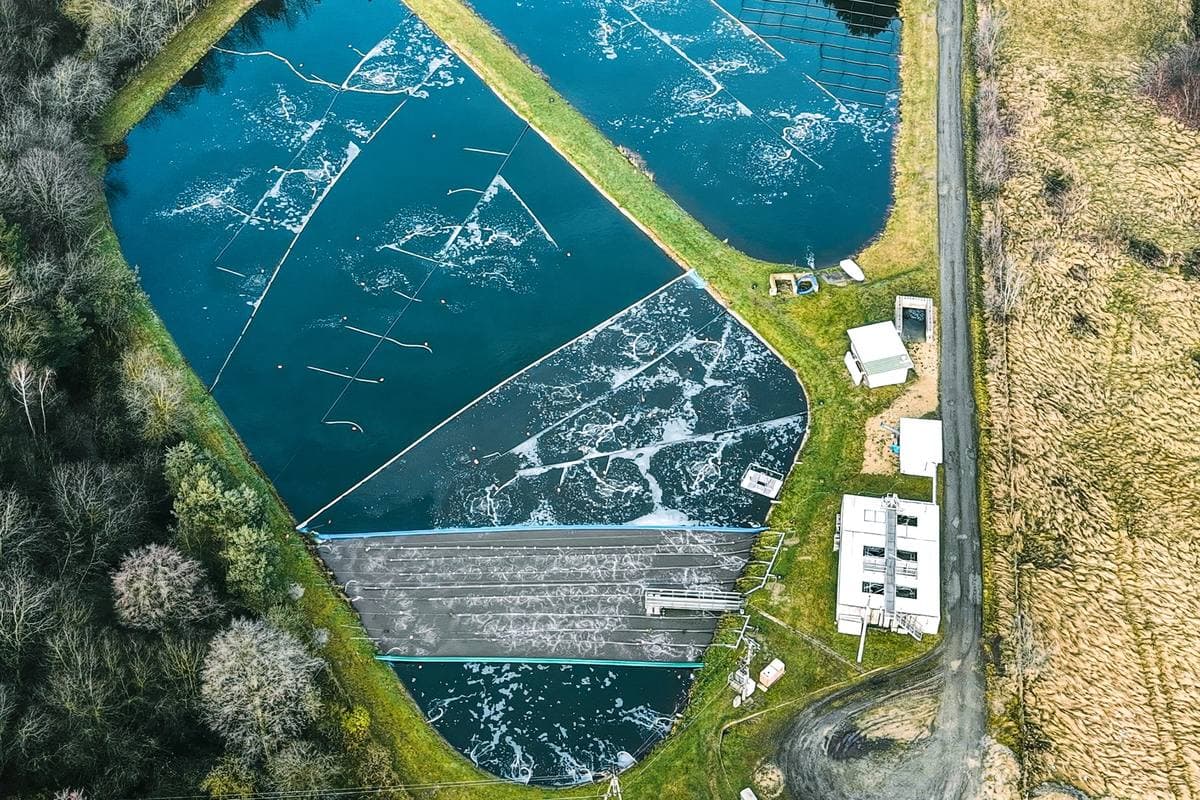
Wastewater lagoons
Municipal and industrial · all cell types
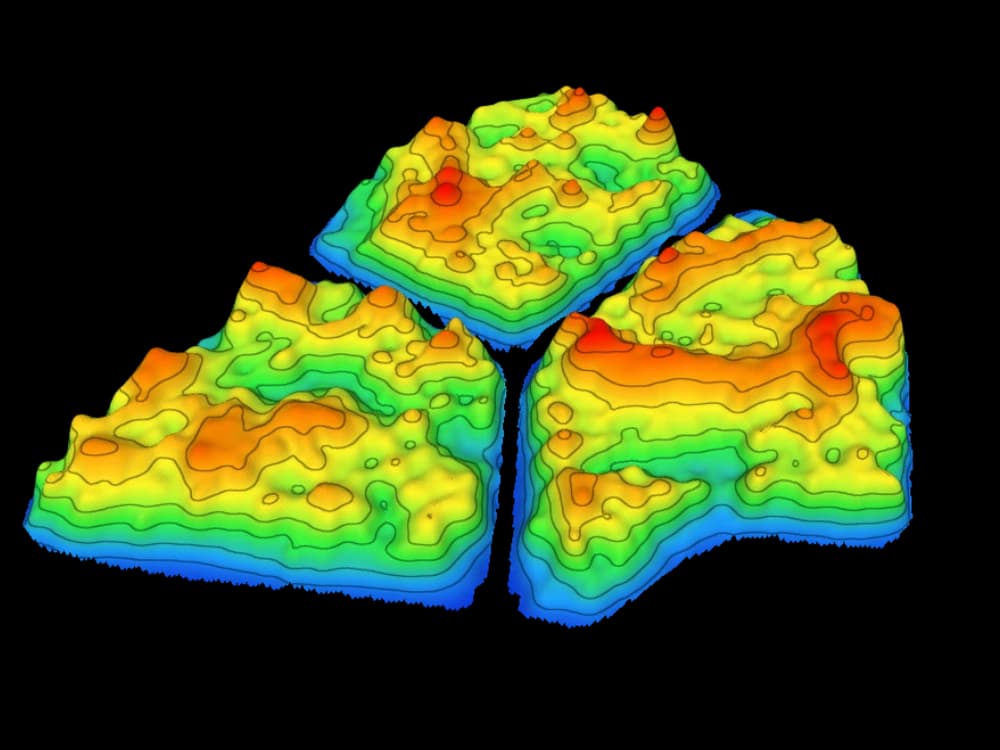
Settled influent solids and dead biomass form a sludge blanket, often deepest near the inlet. As it grows, it reduces the lagoon's working volume and detention time.
SediLogic TechnologiesBiological treatment for lagoon sludge
Tell us about your wastewater lagoon. We’ll help you evaluate bacteria for lagoon sludge reduction, calculate quantities only where a written dose method exists, and review the plan before quoting. Biological treatment targets organic sludge—not grit or silt. If aeration or dredging should come first, we’ll explain why.
Start here
Tell us the problem, the facility type, where the material collects and the approximate flow. We will suggest a product or explain why biological treatment may be unsuitable. You can then send the details for review.
Runs in your browser. Nothing is sent until you choose to send it. Prefer the full walk-through?
01The range
Our dry range includes two sinking solids for bottom sludge and two soluble pouches for the water column, including a cold-weather blend. We also supply liquids for systems that use metered or poured dosing.
| Sedivore Spike | Sedivore Puck | SediLogic Maintain | Sedivore Polar | |
|---|---|---|---|---|
| Format | Dense sinking solid | Dispersible sinking solid | Dry water-soluble pouch | Dry water-soluble pouch, cold-weather blend |
| Target material | Accumulated organic bottom sludge | Accumulated organic bottom sludge | Maintenance dosing and general organic load | Organic load in a lagoon running cold |
| Where it works | Sludge interface | Sludge interface | Water column | Water column |
| Best fit | An established blanket under depth | A shallower blanket, or one spread across a wide area | An adequately mixed lagoon | An adequately mixed lagoon working through cold water |
02Applications
Our dosing methods cover lagoons. Organic solids also build up in tanks, wet wells and digesters, but those applications need their own dose instructions. The pages below explain what treatment can and cannot address in each setting.
Municipal and industrial · all cell types
Settled influent solids and dead biomass form a sludge blanket, often deepest near the inlet. As it grows, it reduces the lagoon's working volume and detention time.
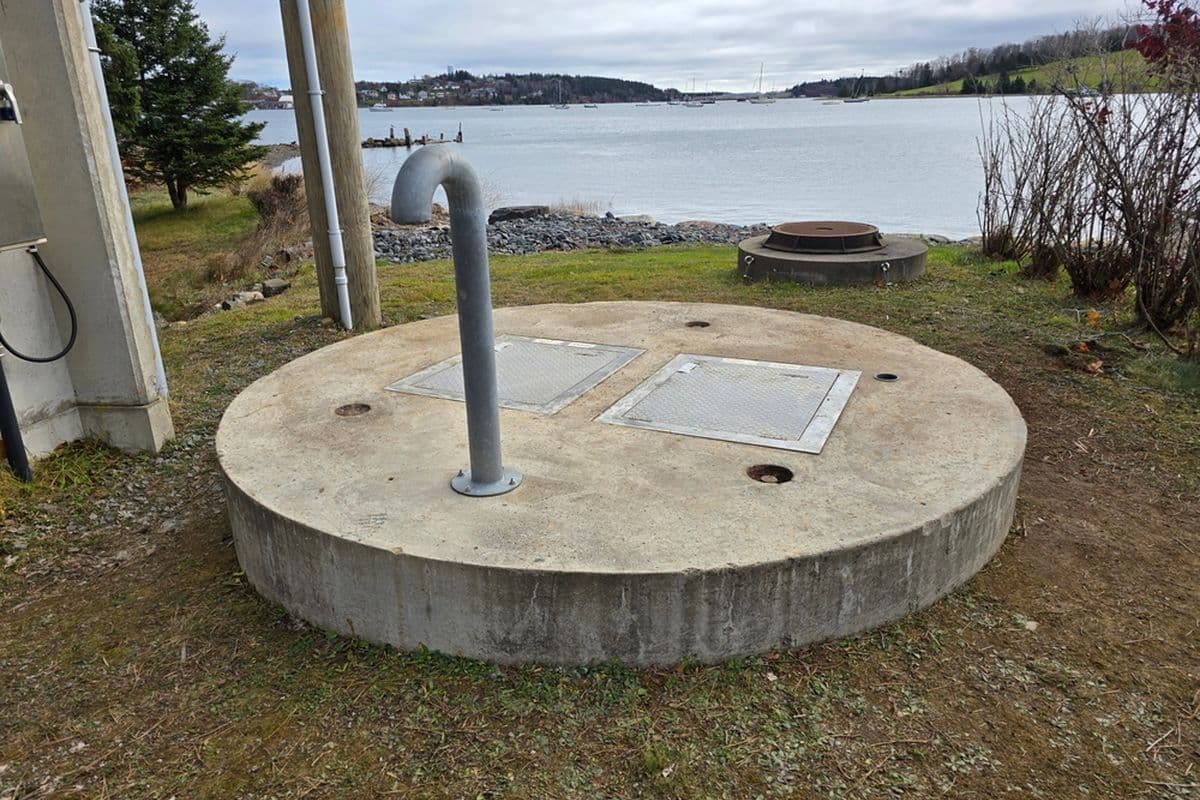
Collection system · wet wells and pump chambers
Fats, oils and grease collect on wet-well walls and form a floating cap, while heavier organic solids settle in the base between pump cycles.
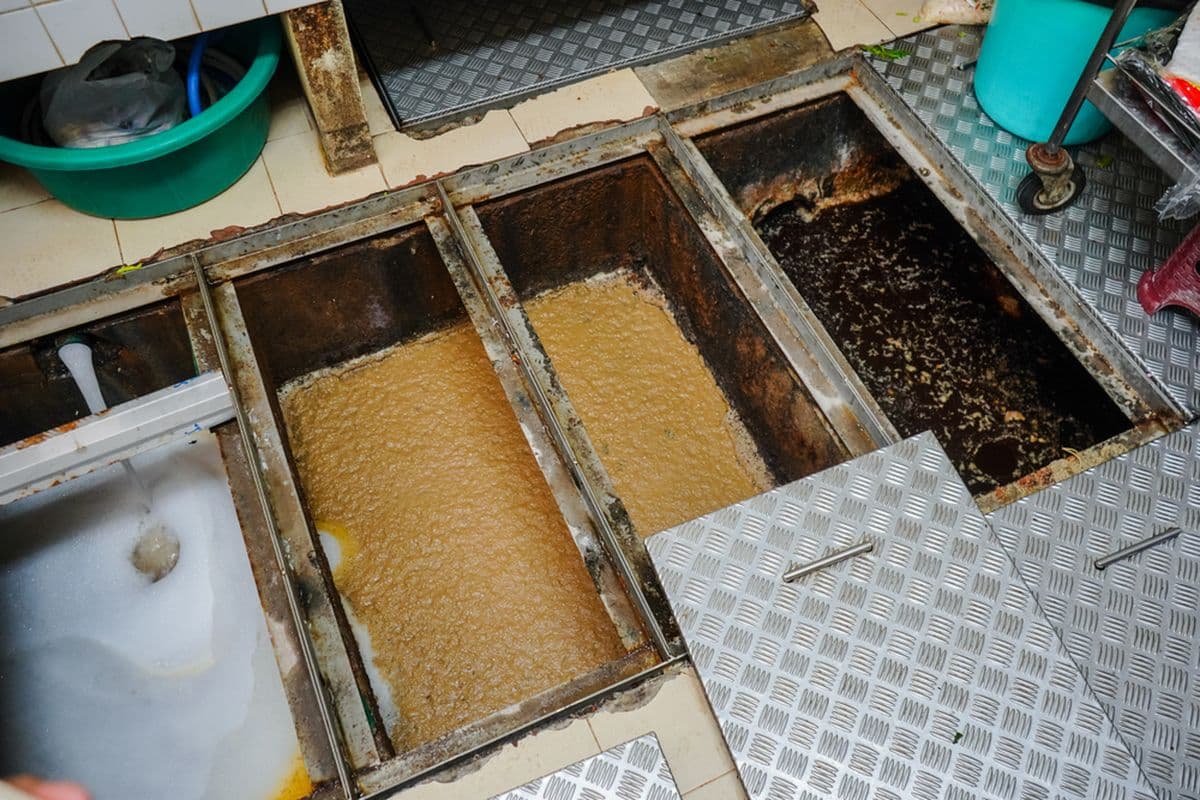
Food service and processing · pre-treatment
Fats, oils and grease separate and harden into a surface cap, with solids settling below it, until the trap can no longer hold its rated capacity.
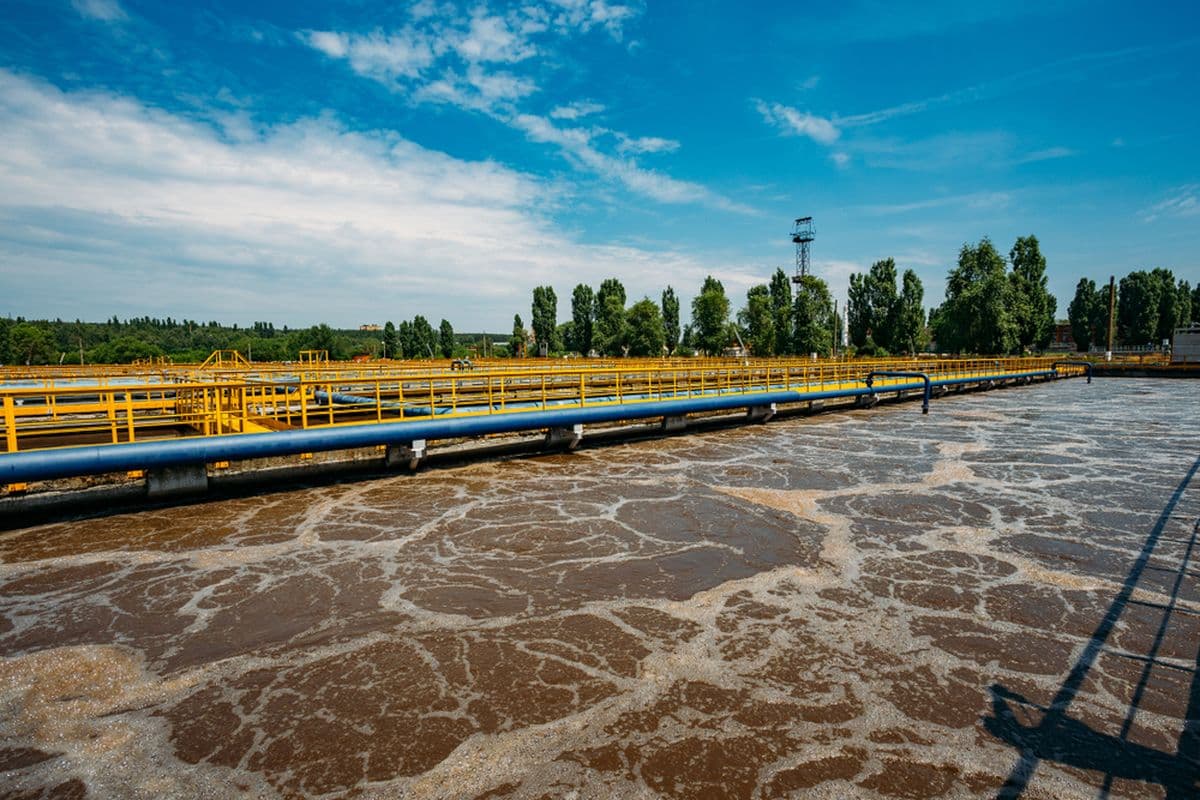
Activated sludge · mixed liquor and clarification
The settling characteristics of mixed liquor affect how well the clarifier separates solids from treated water.
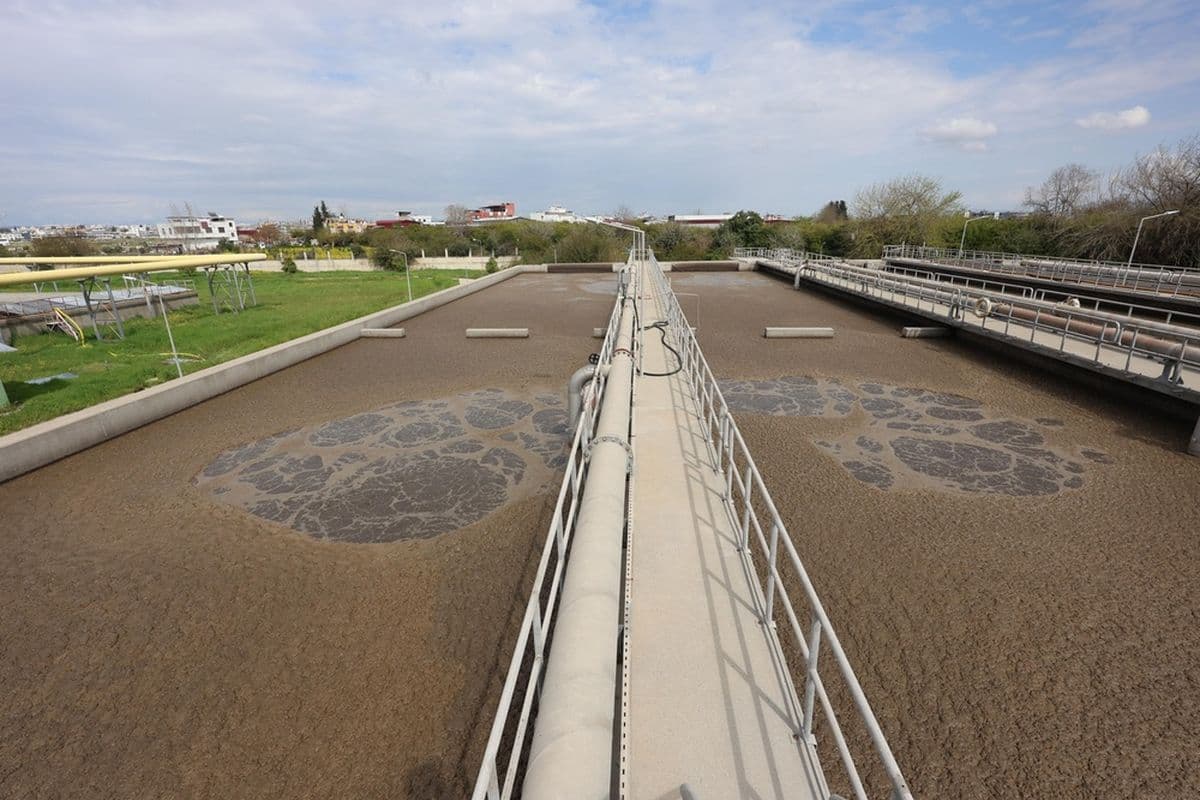
Solids handling · thickening and storage
Thickened solids accumulate faster than the haulage schedule clears them, and disposal is billed by the ton.
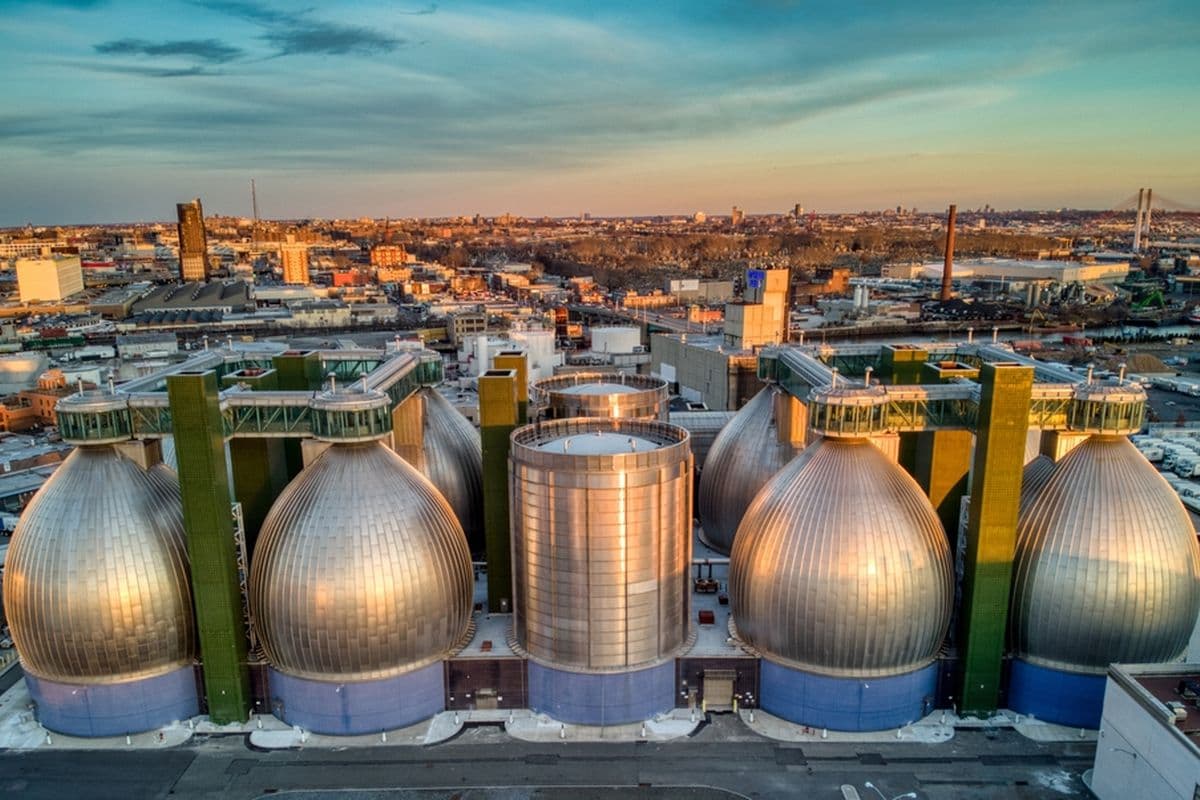
Solids handling · stabilisation
Volatile solids loading governs both the destruction rate achieved and how much biosolids material remains at the end of it.
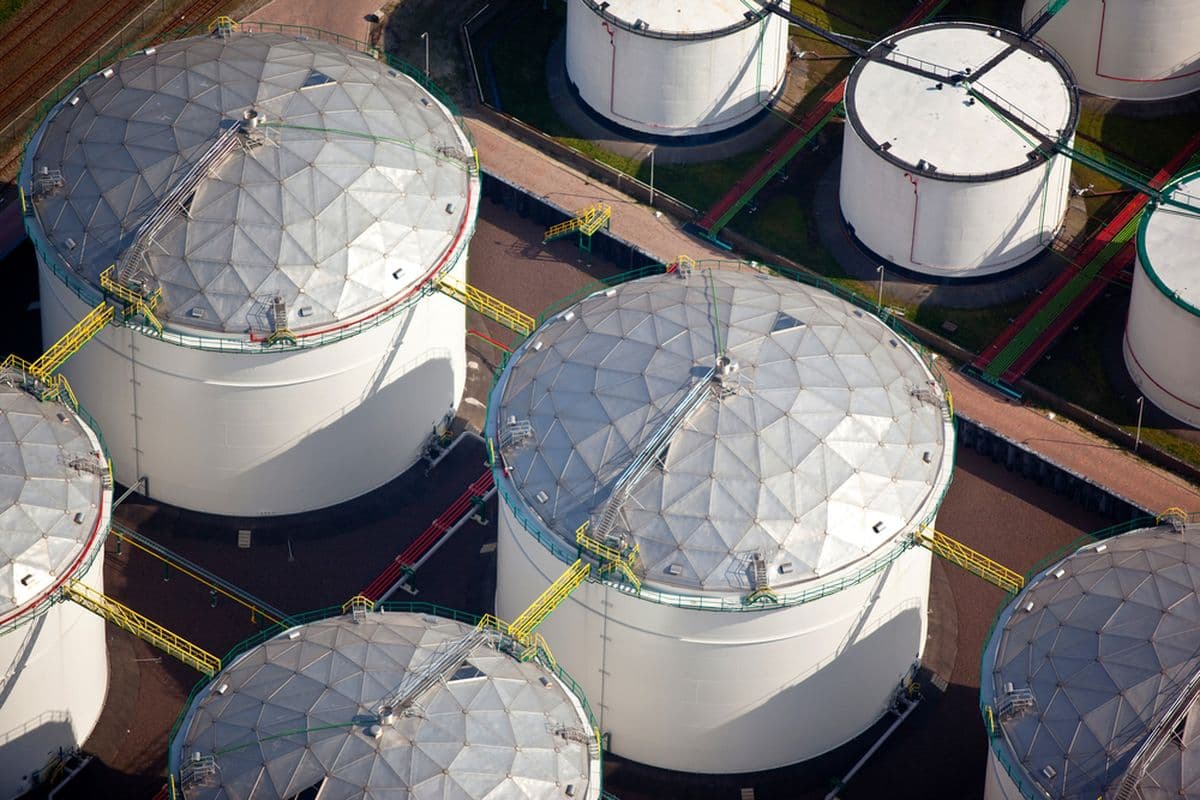
Industrial · process and effluent storage
Organic solids settle on the tank floor and reduce its working volume.
03What is treatable
Check the organic fraction before choosing treatment. Bioaugmentation works on volatile organic solids. Sand, grit, silt, mineral precipitates and plastics remain at any dose.
Volatile organic solids. The biodegradable fraction. This is what the organisms digest, and the only part of the blanket a biological programme can act on.
Inert solids. Sand, grit, silt, mineral precipitates and plastics. Not biodegradable, and they remain regardless of dose, product or format.
Controlled studyVendor-publishedIllustration only. Published volatile solids reductions range from roughly 33% in controlled enzyme studies to 60% in vendor case studies. The proportion of volatile and inert material varies by lagoon. The inert material remains regardless of dose.
Formulation and testing
A contract manufacturer makes our blends to our specifications. We test different sludge types and compare our blends with competitor products bought at retail. In our own bench tests, the dry and liquid blends have matched or bettered every product tested on volatile-solids digestion, settling and blanket depth. These are not independent trials.
We do not perform or arrange on-site sludge surveys. You can collect a representative sample and send it to us for laboratory characterisation. We assess the volatile organic fraction and the inert material. Grit, sand, silt and mineral solids remain at any dose.
04How ordering works
Start with a dosing plan if you need help choosing a product or quantity. The planner applies the manufacturer’s written dose method where one is available, and a person reviews the plan before confirming a quote.
You can also choose available packs on the product pages and add them to your cart. Quantities you enter are your choice; a person checks the order before dispatch.
Surface acres by cell, depths if you have them, aeration status and what you are trying to achieve. The planner runs in your browser and we do not ask who you are until you have seen the result.
See the suggested product and quantity, or an explanation of why biological treatment is unsuitable for the lagoon you described.
For a dosing-plan request, we check product selection, cell arithmetic, whether the manufacturer's dose table covers a lagoon your size, whole-pack rounding, timing and stock before confirming a quote.
Your dosing-plan quote records the confirmed inputs, quantities in pounds and whole packs, the application schedule, freight and tax. Municipal purchase orders are accepted.
Application instructions, the Safety Data Sheet and lot documentation travel with the shipment. Every unit carries a supplier lot and an expiry date.
05The problem
Solids settle, the biodegradable share digests slowly under anaerobic conditions, and what is left accumulates as a blanket. Detention time falls, freeboard erodes and effluent quality becomes harder to hold. Sludge handling already represents 40 to 60 per cent of total operating cost at many treatment facilities.
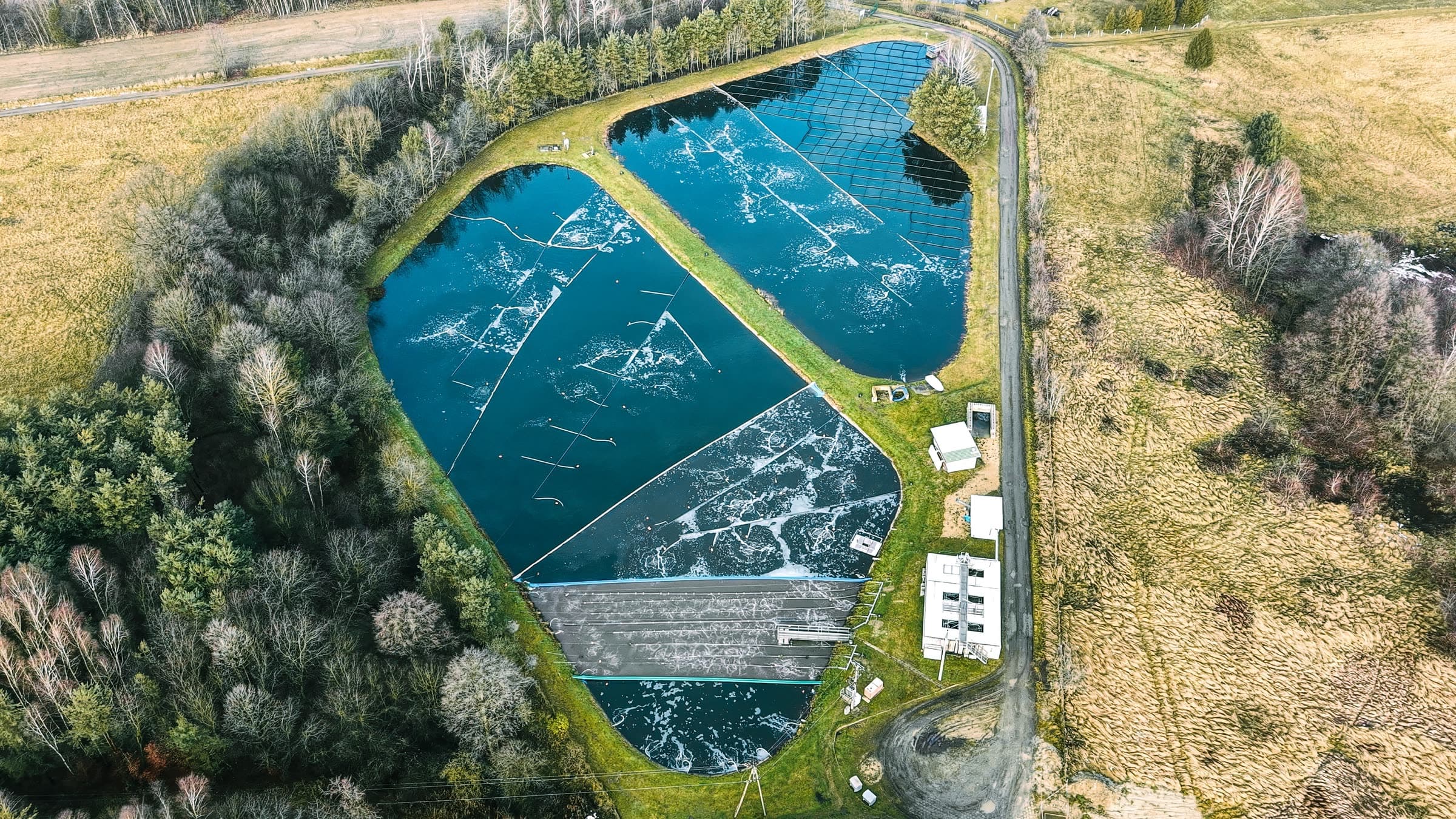
Mechanical clean-out can be a major expense for a small utility. Regular sludge measurements help you plan for it and assess whether biological treatment could defer it.
06Why a dosing plan pays
Before ordering, check that the material is treatable, the product will reach it and the dose suits the lagoon. The free planner helps with those checks and gives an estimate where a written dose method is available.
01Against dredging the whole lagoon
reduction in volatile solids reported in vendor case studies. For comparison, an illustrative full dredge costs $875K–$1.75M for a lagoon holding 2,500 to 5,000 dry tons.
Dredging removes both organic sludge and inert material. Biological treatment acts only on the treatable organic fraction. It may reduce the volume left for a future dredge, but sand, grit and other inert solids still need physical removal.
02Against overdosing, or the wrong product
assumed excess product in this illustration. This is a planning assumption, not measured savings from using the planner.
The planner uses the manufacturer’s written dose table for each product. It checks the application before calculating quantities, so you can review both product selection and pack count before ordering.
Enter your lagoon details to check suitability and calculate quantities for products with a published dose method.
07Evidence

Before buying biological treatment, check what was measured in the supporting studies. A reported drop in sludge depth is useful information, but it does not by itself show how much organic material was digested or whether treatment caused the change.
We have found no independent head-to-head comparison of liquid and solid formats for lagoon sludge, or a published measurement of how much surface-applied product reaches and persists in the bottom sludge at realistic lagoon depths. Getting organisms into dense anaerobic sludge remains a challenge for every format, including ours.
Controlled studies of protease, cellulase and lipase mixtures report 30 to 50 per cent reductions in total suspended solids and improved settling. One study reported a 33 per cent reduction in volatile suspended solids. Bacillus produces these enzymes and forms spores that tolerate drying. This supports its use in dry biological treatment products.
Our field-result library reports measurements from operating plants using these formulations. Each record states the observation period and is labelled as a field result, not a controlled trial. Results outside the usual published range are included and should not be read as typical.
See the field results, or read the full evidence review, including where it does not work.
08 — When we say no
If most of the accumulation is grit, sand or other inorganic solids, biological treatment will not remove it.
Mixing and aeration also matter. Biological treatment cannot make up for inadequate mixing or oxygen. If those need attention first, the planner will flag them and we will not quote treatment for those conditions.
If treatment is unsuitable, we will explain why before you order.
Dose correctly. Reduce what is treatable.
Describe your lagoon to check suitability and find a product. You can see the result before sharing your contact details.
The planner is free. Send us your details only when you want a review.