Skip to content
SediLogicTechnologies

SediLogic TechnologiesLagoon sludge treatment, sized before it ships

Lagoon sludgetreatment, sizedbefore it ships.

Describe your lagoon and we will select the product that fits, size the order against it and review the result before quoting. If the accumulation is mostly grit and silt, or the lagoon needs aeration before it needs biology, we will tell you that instead of selling to you.

~4,657
NPDES-permitted municipal wastewater lagoons in the United States, about a quarter of all municipal treatment facilities.US EPA
33–60%
Published volatile solids reductions, from controlled enzyme studies at the low end to vendor case studies at the high end.Mixed provenance
40–60%
Share of total operating cost that sludge handling represents at many treatment facilities.Published

Start here

Tell us about the problem.

A few quick questions — the issue, the facility, where in the system it sits and the rough flow. We will point you to the product that fits, or say plainly when biological treatment is the wrong answer, then fill in a request you can send in a minute.

1/4

What is the main issue?

Runs in your browser. Nothing is sent until you choose to send it. Prefer the full walk-through?

01The range

Two dry formats. Which one fits depends on where the material sits.

A blanket under twelve feet of water and general organic load in the water column are different problems, and no single format addresses both well. These two lead the range and both are sized against the system before they ship. A liquid is also available, but only where a solid physically cannot be dosed — it is a delivery constraint, not an upgrade.

SediLogic Core compared with SediLogic Maintain
SediLogic CoreSediLogic Maintain
FormatDense sinking solidDry water-soluble pouch
Target materialAccumulated organic bottom sludgeMaintenance dosing and general organic load
Where it worksSludge interfaceWater column
Best fitAn established sludge blanketAn adequately mixed lagoon

02Applications

Seven places organic material accumulates.

A treatment works accumulates the same volatile organic material in seven different geometries. Lagoons are the duty we size today, and the range was built around them; the same biology applies to the rest, which the wider range reaches but has not yet sized. What will not respond is stated for every one.

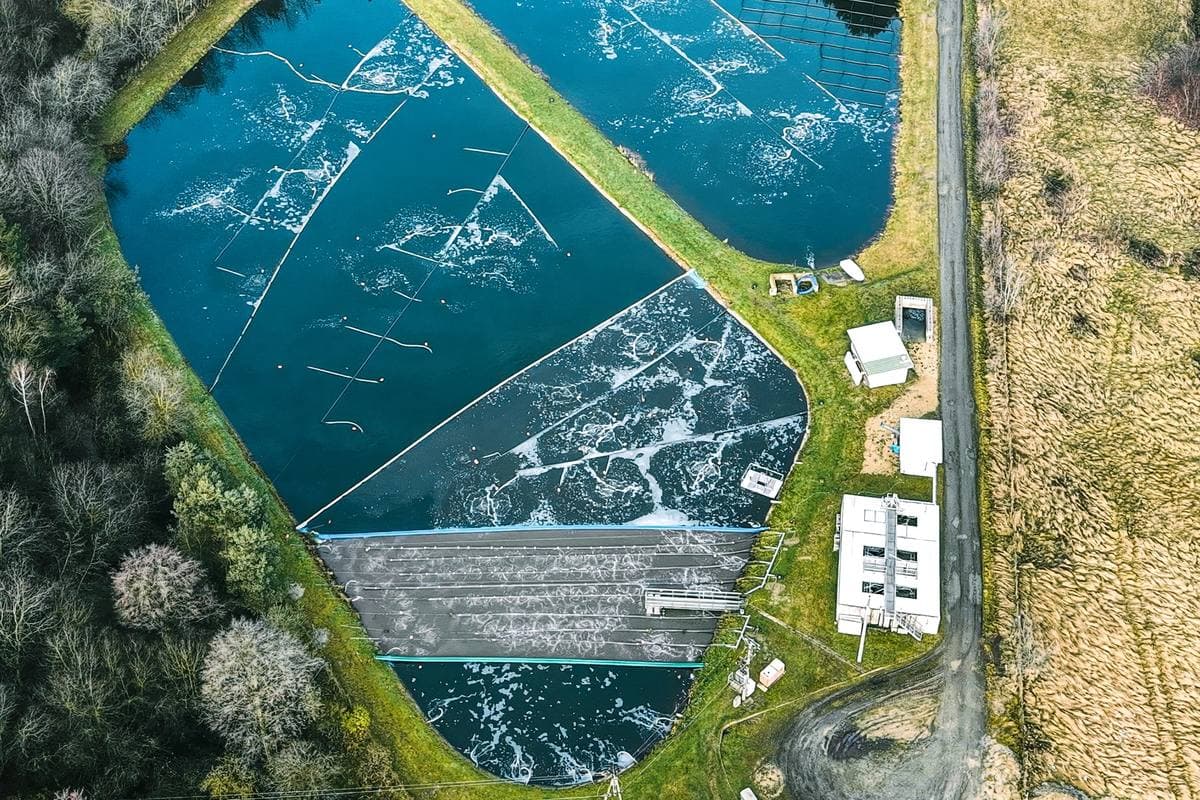
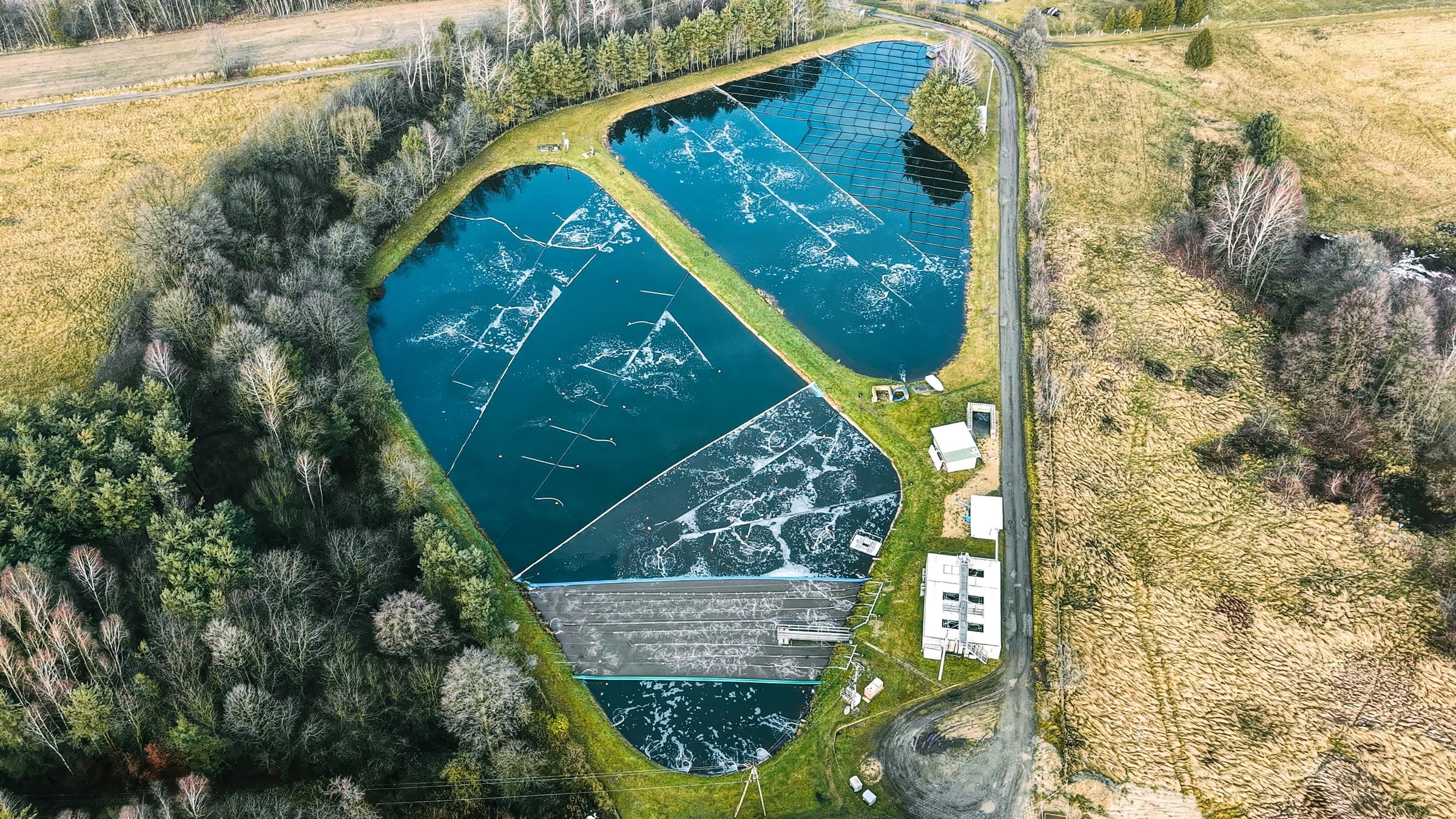
Aerial view of a multi-cell aerated wastewater lagoon, its surface broken by aeration, with grass berms dividing the cells and a small control building alongside.

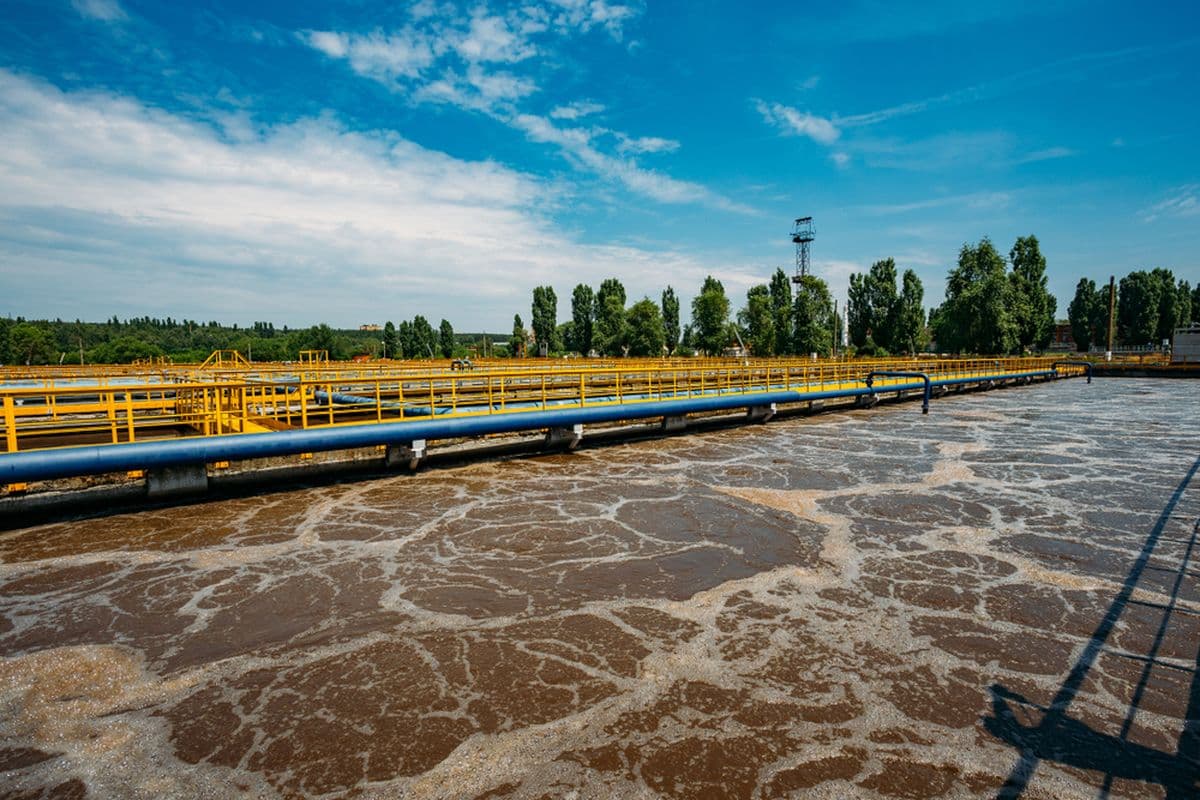
Wastewater lagoons

Municipal and industrial · all cell types

Settled influent solids and dead biomass consolidate into a benthic sludge blanket. It builds fastest near the inlet, and it takes detention time and freeboard with it as it grows.

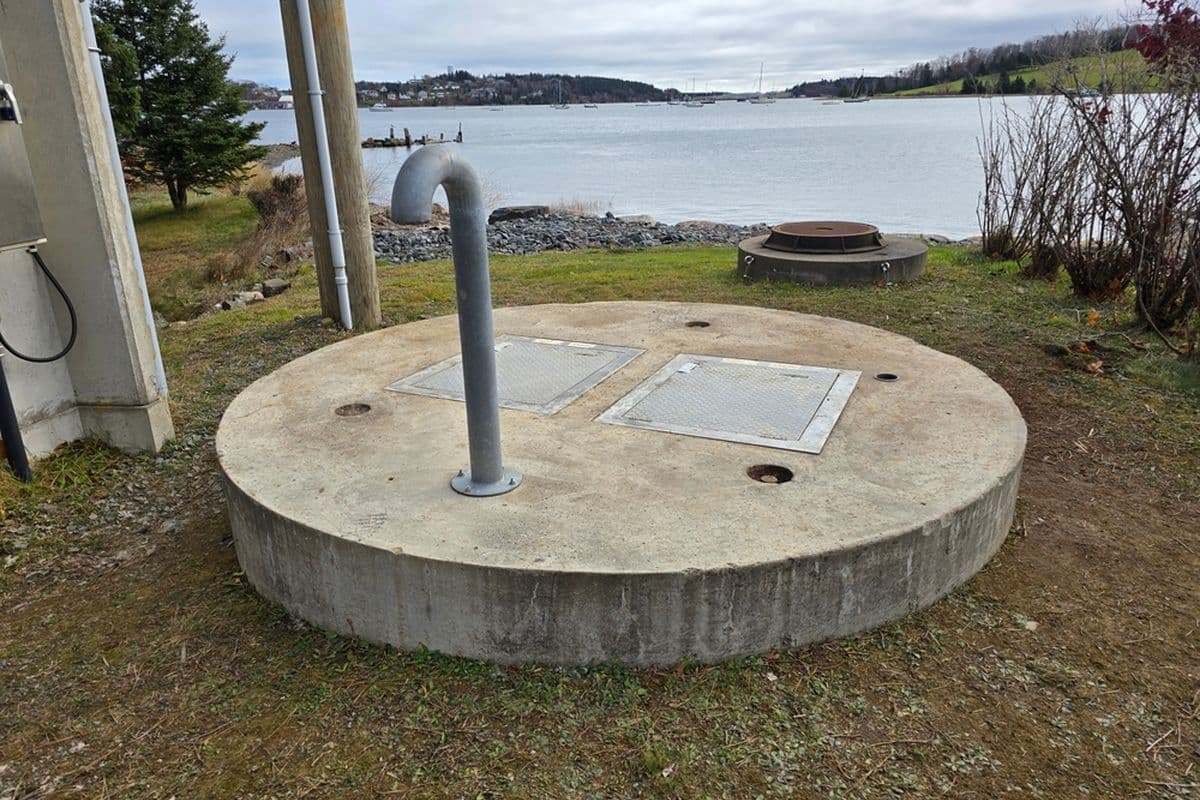
Interior of a wastewater lift station wet well with pump pipework.

Lift stations

Collection system · wet wells and pump chambers

Fats, oils and grease collect on wet-well walls and form a floating cap, while heavier organic solids settle in the base between pump cycles.

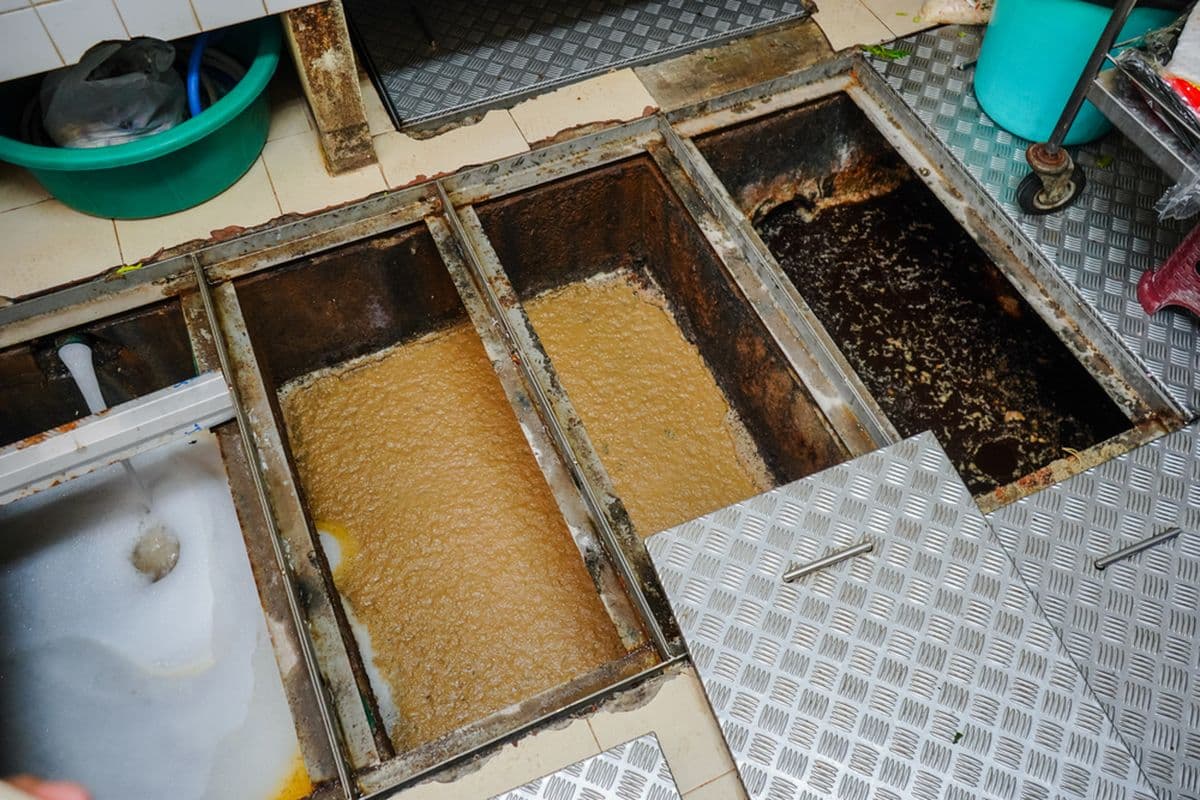
Open grease trap interceptor showing separated surface layer.

Grease traps and interceptors

Food service and processing · pre-treatment

Fats, oils and grease separate and harden into a surface cap, with solids settling below it, until the trap can no longer hold its rated capacity.

Aeration basin with surface turbulence from diffused air.

Aeration tanks

Activated sludge · mixed liquor and clarification

Mixed liquor carries a continuous organic load, and how well it settles determines what the clarifier can actually recover.

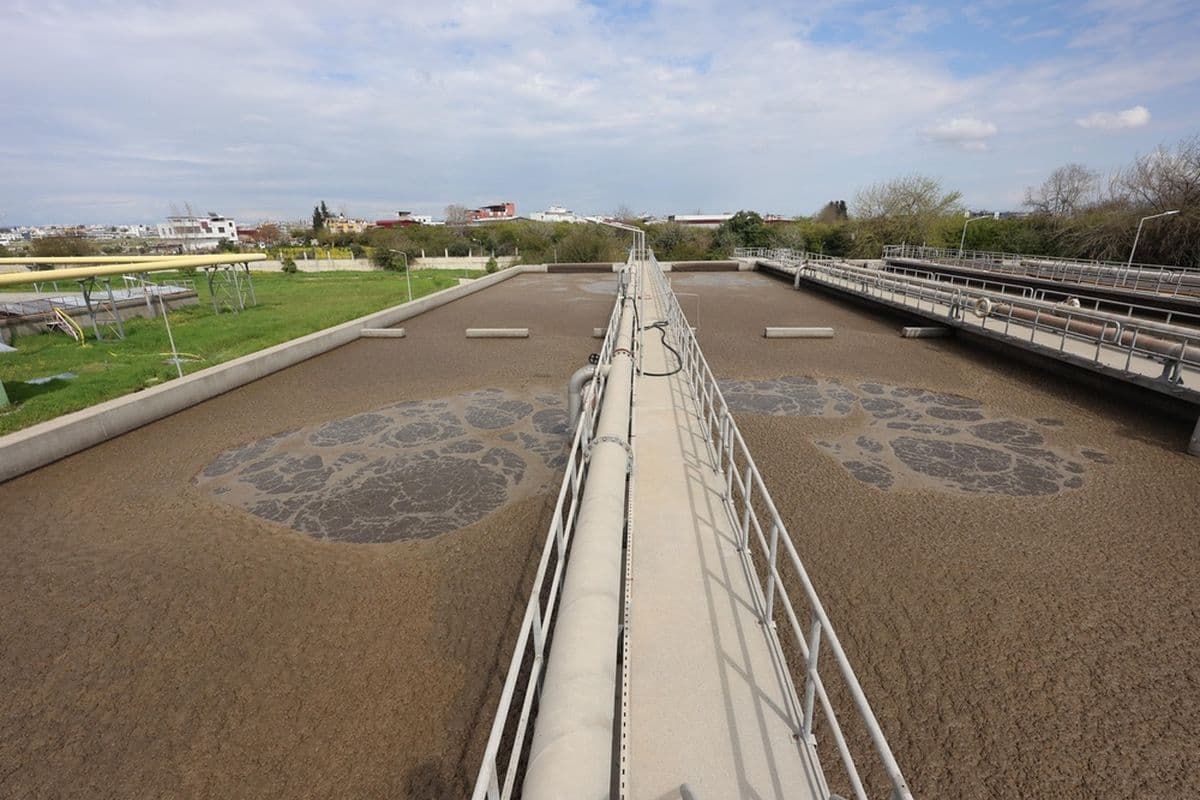
Sludge holding tank surface showing accumulated solids.

Sludge holding tanks

Solids handling · thickening and storage

Thickened solids accumulate faster than the haulage schedule clears them, and disposal is billed by the ton.

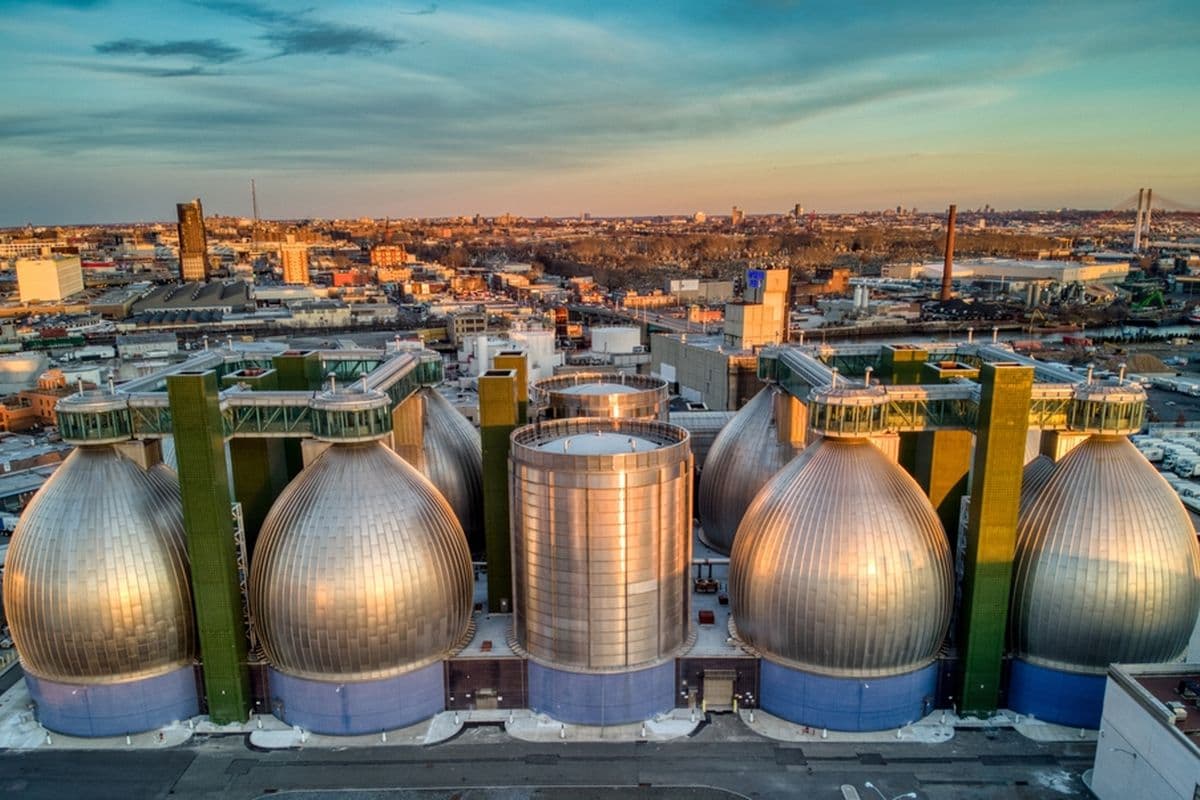
Anaerobic digester vessels at a wastewater treatment facility.

Anaerobic digesters

Solids handling · stabilisation

Volatile solids loading governs both the destruction rate achieved and how much biosolids material remains at the end of it.

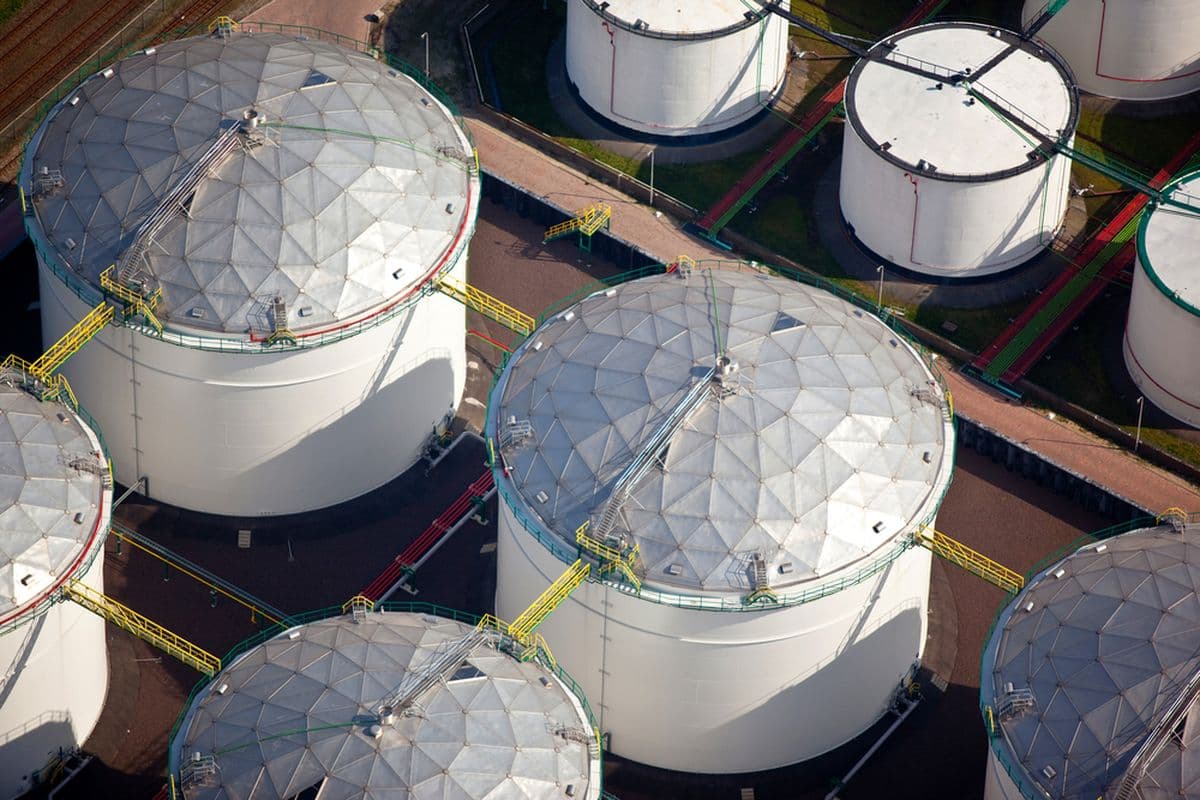
Aboveground steel storage tanks at an industrial facility.

Aboveground storage tanks

Industrial · process and effluent storage

Organic solids settle to the tank floor and consolidate, quietly taking working volume out of the vessel.

All applications

What each one accumulates · what responds

Every application in full — what accumulates, what the organisms act on, and what will not respond whatever the dose.

03What is treatable

Biological treatment digests the organic fraction. Nothing digests the rest.

This is the limitation the rest of the category tends to leave out, and it is the first thing to establish before anybody spends money. Bioaugmentation works on volatile organic solids. Sand, grit, silt, mineral precipitates and plastics are not biodegradable and remain at any dose. It is why the tagline commits to reducing what is treatable rather than to reducing sludge.

REDUCTIONWATER COLUMN — 6 TO 15 FT TYPICALVOLATILE ORGANIC SOLIDS — TREATABLESAND, GRIT, SILT, PRECIPITATES — INERT

Volatile organic solids. The biodegradable fraction. This is what the organisms digest, and the only part of the blanket a biological programme can act on.

Inert solids. Sand, grit, silt, mineral precipitates and plastics. Not biodegradable, and they remain regardless of dose, product or format.

Controlled studyVendor-publishedIllustrative, not a result. Published volatile solids reductions in this category run from roughly 33% in controlled enzyme studies to 60% in vendor case studies. The split between volatile and inert material differs in every lagoon, which is why the inert band above is drawn as a fixed floor rather than as something a dose can move.

Formulation and testing

A formulation of our own, tested rather than taken on faith.

SediLogic’s blend is built to our own specification and contract-fermented, rather than being a stock formulation relabelled. We benchmark it against competitor products and test it across different sludge types, because a blend that digests one load will not necessarily touch another.

We do not perform or arrange on-site sludge surveys. You collect a representative sludge sample and send it to us for laboratory characterisation: how much is volatile and potentially treatable, and how much is inert and will remain. That does not move the biological ceiling. Only the volatile organic fraction is treatable; grit, sand, silt and mineral solids remain at any dose.

Read why the formulation and testing matter.

04How ordering works

Sized before it ships, reviewed before it is sold.

The order path is deliberately slower than a shopping cart. A calculator that takes a card without anybody looking at the lagoon is how under-dosed orders and unsuitable installations happen, and both cost more than the order was worth.

  1. 01

    Tell us about the lagoon

    Surface acres by cell, depths if you have them, aeration status and what you are trying to achieve. The planner runs in your browser and we do not ask who you are until you have seen the result.

  2. 02

    See what it indicates

    The product that fits, or a plain statement that biological treatment is the wrong answer for the lagoon you have described. That second outcome is common and we would rather reach it before you spend anything.

  3. 03

    A person reviews it

    Product selection, cell arithmetic, whether the manufacturer's dose table covers a lagoon your size, whole-pack rounding, timing and stock. Nothing becomes an order on the strength of a form.

  4. 04

    Quote or purchase order

    Confirmed inputs, quantities in pounds and whole packs, the application schedule, freight and tax. Municipal purchase orders accepted. No public shopping cart.

  5. 05

    Product ships with its paperwork

    Application instructions, the Safety Data Sheet and lot documentation travel with the shipment. Every unit carries a supplier lot and an expiry date.

05The problem

Sludge accumulates from the bottom up, and it takes your capacity with it.

Solids settle, the biodegradable share digests slowly under anaerobic conditions, and what is left accumulates as a blanket. Detention time falls, freeboard erodes and effluent quality becomes harder to hold. Sludge handling already represents 40 to 60 per cent of total operating cost at many treatment facilities.

Aerial view of a multi-cell wastewater treatment lagoon system separated by earthen berms.

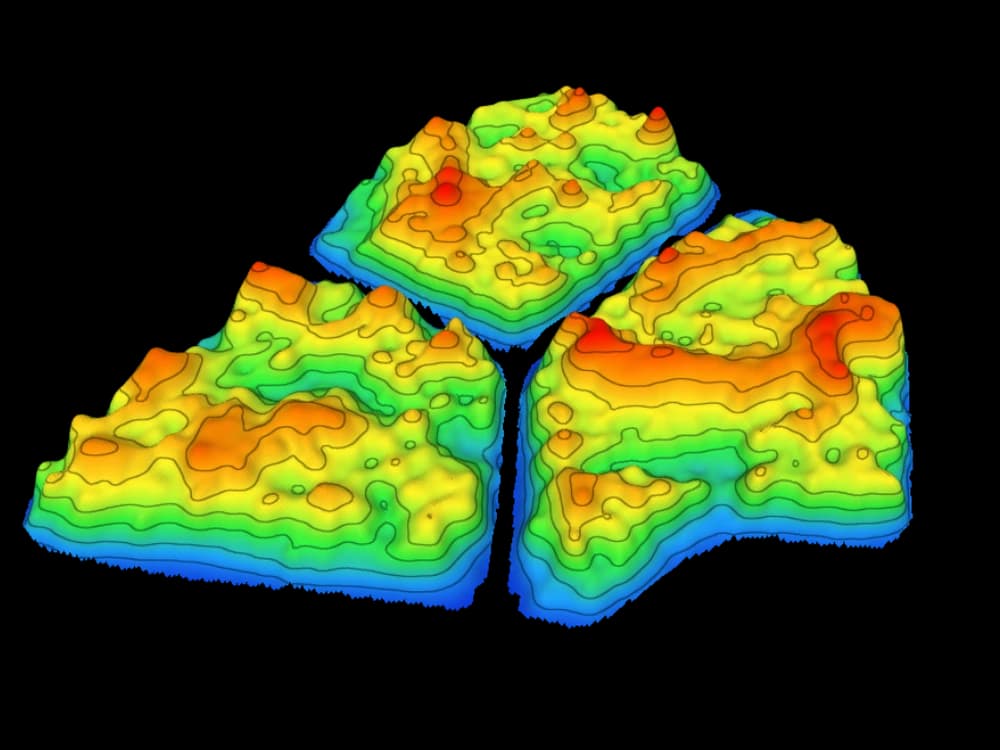
The event everybody is trying to avoid is a mechanical clean-out. It is the largest single line item a small utility will face on its lagoon, and it usually arrives without much warning — because nobody has been measuring.

$350per dry ton
The mechanical dredging figure repeated across the industry.Vendor-publishedAlmost every source tracks back to a vendor. The broader independently cited range is nearer $300 to $800.
2,500–5,000dry tons
What a lagoon can hold once it has filled.Estimate
$875K–$1.75M
A full mechanical clean-out on those figures.EstimateObtain a real quotation for your own lagoon before relying on this.

06Why a dosing plan pays

A dosing plan is free. The two ways operators overpay without one are not.

Sludge treatment goes wrong in two expensive directions, and both start the same way: product bought in bulk off a web page with nobody looking at the lagoon. One is paying to mechanically dig out material that would digest on its own. The other is buying more product than the lagoon needs — or a product that never reaches the sludge at all. Sizing the order against the lagoon first is the step that removes both, and the planner runs it for nothing.

01Against dredging the whole lagoon

Up to60%

of the treatable organic fraction digests in place — deferring a mechanical dredge that runs $875K–$1.75M for a lagoon holding 2,500 to 5,000 dry tons.

Vendor-publishedEstimate
$875K–$1.75MMECHANICAL DREDGEone capital eventA FRACTION / YRTREATMENTannual operating costDEFERS

Dredging digs everything out mechanically, inert grit and all, in one capital event. Bioaugmentation digests the treatable organic fraction in place, which defers and shrinks that event rather than replacing it — the inert fraction is always a dredging problem, and the planner will say so plainly when a lagoon is one.

02Against overdosing, or the wrong product

Typically5–20%

of product spend trimmed by sizing to the lagoon instead of a rule of thumb — and nothing spent on a format that never reaches the sludge.

Estimate
TARGET DOSESIZED FROM THE DOSE TABLEBULK ORDER, RULE OF THUMB5–20% OVERthe overshoot is product the lagoon cannot use

A single pounds-per-acre rule of thumb over-doses one lagoon and falls short on the next, and you pay for both. Sizing the quantity from the manufacturer’s written dose table buys what the lagoon needs and no more — and catches the costlier error, a product bought for the wrong job, before the money is spent.

Describe the lagoon and the planner sizes both the product and the quantity — or tells you biological treatment is the wrong answer for it, before you spend anything.

07Evidence

Every efficacy figure in this category is vendor-published. Including the ones we cite.

A laboratory technician pipetting samples into tube racks in an analytical microbiology laboratory.

Bioaugmentation carries a credibility burden it has earned. Enough products have been oversold over the last thirty years that a meaningful share of experienced operators regard the whole category as snake oil. That scepticism is reasonable, and we would rather meet it directly than write around it.

So here is the state of the evidence as we understand it. No independent head-to-head comparison of liquid versus solid formats for lagoon sludge appears to exist. No published study measures what fraction of surface-applied product actually reaches and persists in a benthic sludge layer at realistic lagoon depths. Penetration into a dense anaerobic sludge mass remains an unsolved problem for every format on the market, ours included.

What is well established is narrower and more useful. Mixtures of protease, cellulase and lipase reduce total suspended solids by 30 to 50 per cent and improve settling, with one study reporting 33 per cent volatile suspended solids reduction. Bacillus is the single most important bacterial source of exactly those enzymes, and it sporulates, so it survives drying essentially intact. That is the mechanism we sell, and it is a narrower claim than most of this category makes.

Where we quote a field result, it will be a supplier’s published case study rather than ours, and it will say so. We have no installations of our own yet, and a manufacturer’s case study is not evidence about a company that merely resells the product.

Read the full evidence review, including where it does not work.

08 — When we say no

The planner should qualify lagoons out as often as it qualifies them in.

A lagoon whose accumulation is largely inert grit, sand or inorganic solids will not respond, and selling into that situation produces a failed reference that costs us more than the order was worth.

The same applies to mixing. No vendor and no independent source claims bioaugmentation works well in a poorly mixed lagoon — mixing and aeration are treated universally as complementary to biological treatment rather than as alternatives to it. If your lagoon needs aeration before it needs biology, that is what the planner will tell you, and we will not quote against it.

We would rather lose the order than add another failed installation to a category that already has too many.

Dose correctly. Reduce what is treatable.

Start with the lagoon.

Describe it and the planner will tell you which product fits — or that biological treatment is the wrong answer for it. Nothing is captured until you have seen the result.

The planner is free and open now, and keeps nothing until you have seen the result. Ordering opens once every order can be sized to your lagoon from the manufacturer’s dose table and shipped with its safety documentation.