Skip to content
SediLogicTechnologies

Applications

Seven places organic material accumulates. We size one of them today.

Wastewater lagoons are where the range began and the duty we size today. The rest of a treatment works accumulates the same organic material in different geometry, and the wider range reaches it — but those duties are deferred beyond the lagoon launch, sized only once each dose table is loaded. What will not respond is stated for every one.

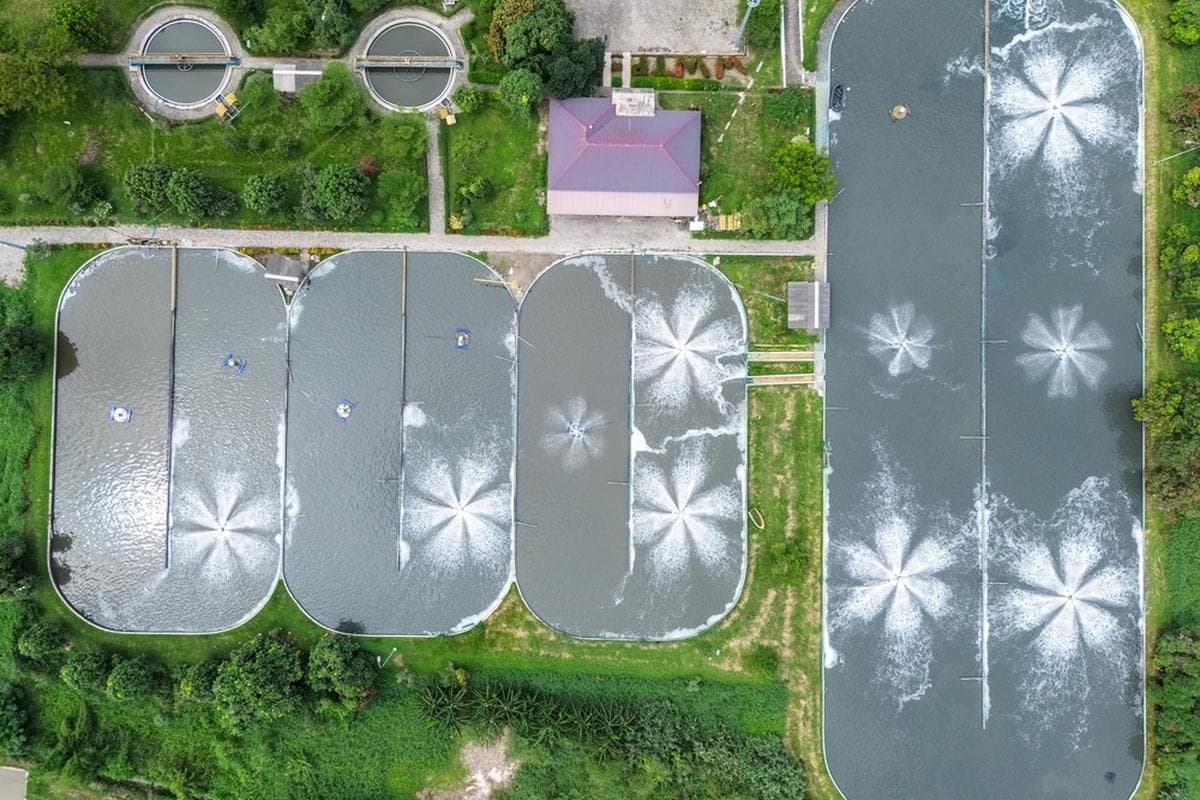
Aerial view of a municipal wastewater treatment works with oval aeration basins and circular clarifiers.

01The flagship duty

Wastewater lagoons.

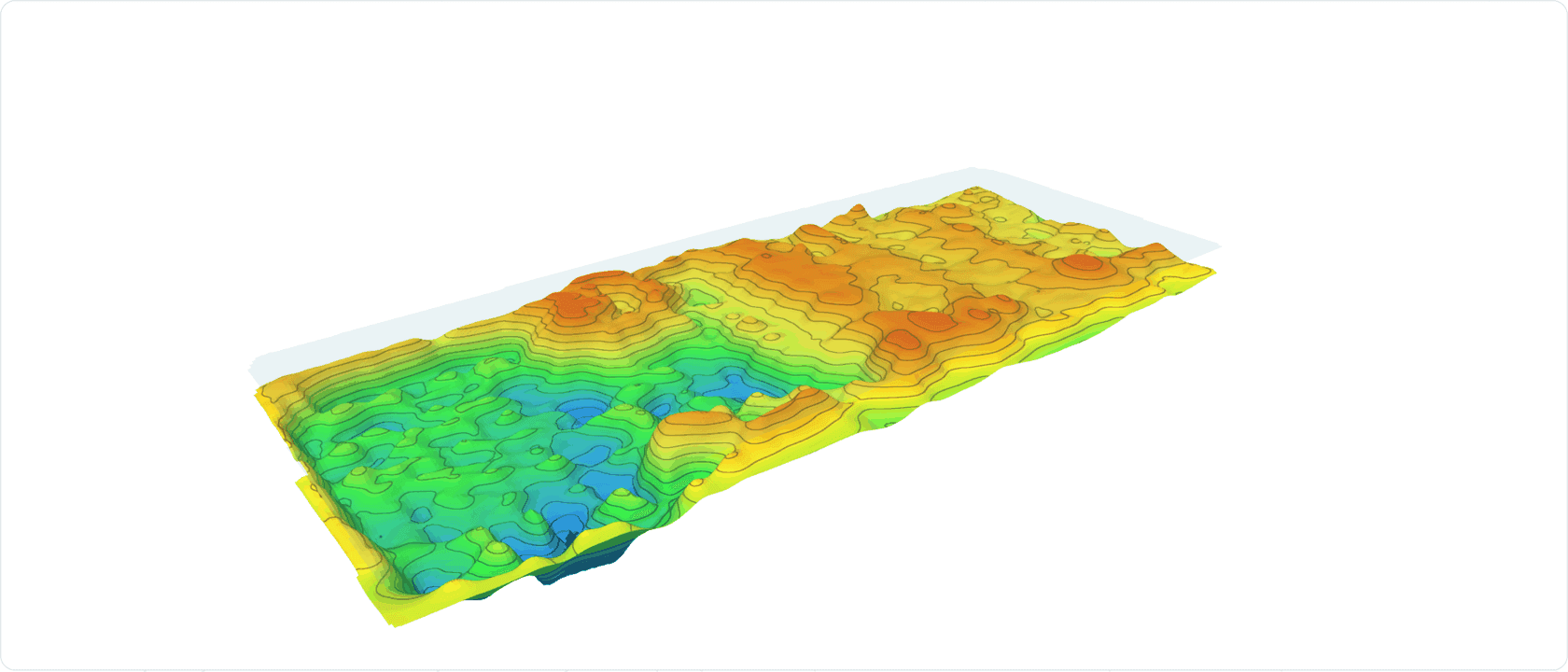
The hardest delivery problem in the range, and the one the products were designed around: a blanket sitting under several feet of water that surface dosing cannot reach. Everything else on this page is the same organic material in an easier geometry — the wider range reaches it, but those duties are deferred until each carries its own dose table.

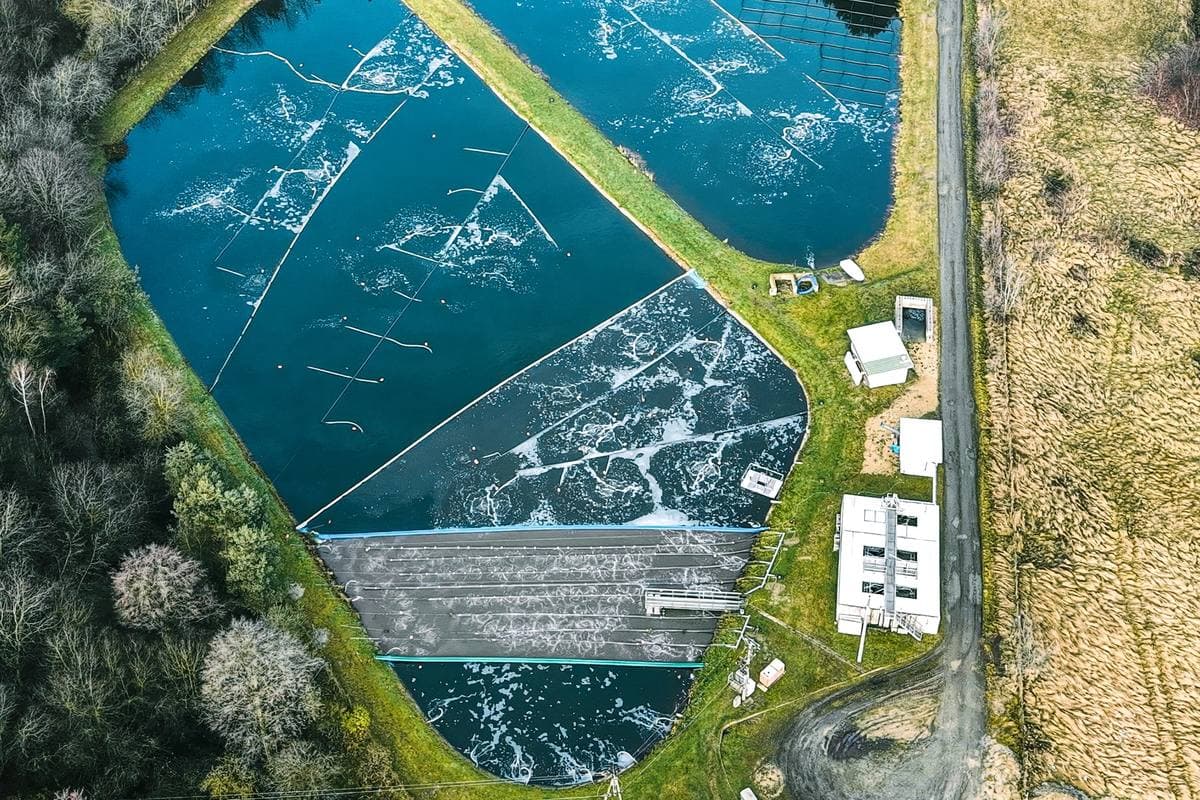
Aerial view of a multi-cell aerated wastewater lagoon, its surface broken by aeration, with grass berms dividing the cells and a small control building alongside.

Municipal and industrial · all cell types

Wastewater lagoons

Settled influent solids and dead biomass consolidate into a benthic sludge blanket. It builds fastest near the inlet, and it takes detention time and freeboard with it as it grows.

Both launch products act here. SediLogic Core is a dense solid that falls through the water column and releases at the sludge interface, digesting volatile organic solids where the blanket actually sits. SediLogic Maintain disperses through the water column against general organic load.

Only the volatile organic fraction responds. Sand, grit, silt, mineral precipitates and plastics remain at any dose, and a poorly mixed lagoon needs its aeration assessed before biology is worth starting.

02The wider landscape

The same material, in different geometry.

A wet well, a grease trap and a digester accumulate organic material for different reasons and hold it in different ways. The same biology applies to each, but a rate written for a lagoon means nothing in any of them — which is why lagoons are the duty SediLogic sizes today, and these are deferred until each carries its own dose table rather than being quoted from a lagoon rate. What responds is the volatile organic fraction in every case; what does not is stated under each.

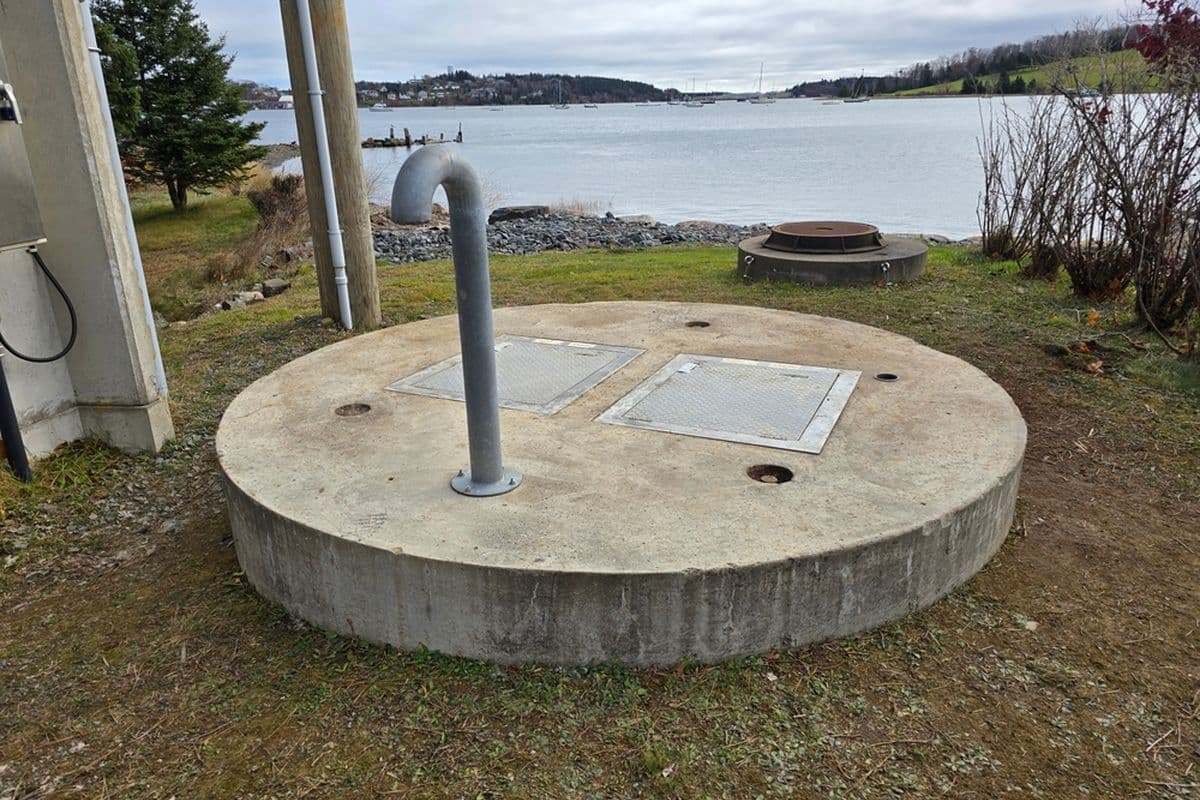
Interior of a wastewater lift station wet well with pump pipework.

Lift stations

Collection system · wet wells and pump chambers

Fats, oils and grease collect on wet-well walls and form a floating cap, while heavier organic solids settle in the base between pump cycles.

Bioaugmentation degrades fats, oils and grease as material, slowing how quickly that layer rebuilds between cleanouts — the same digestion the lagoon products rely on.

Rag, wipes and inorganic debris are unaffected and still have to be removed mechanically.

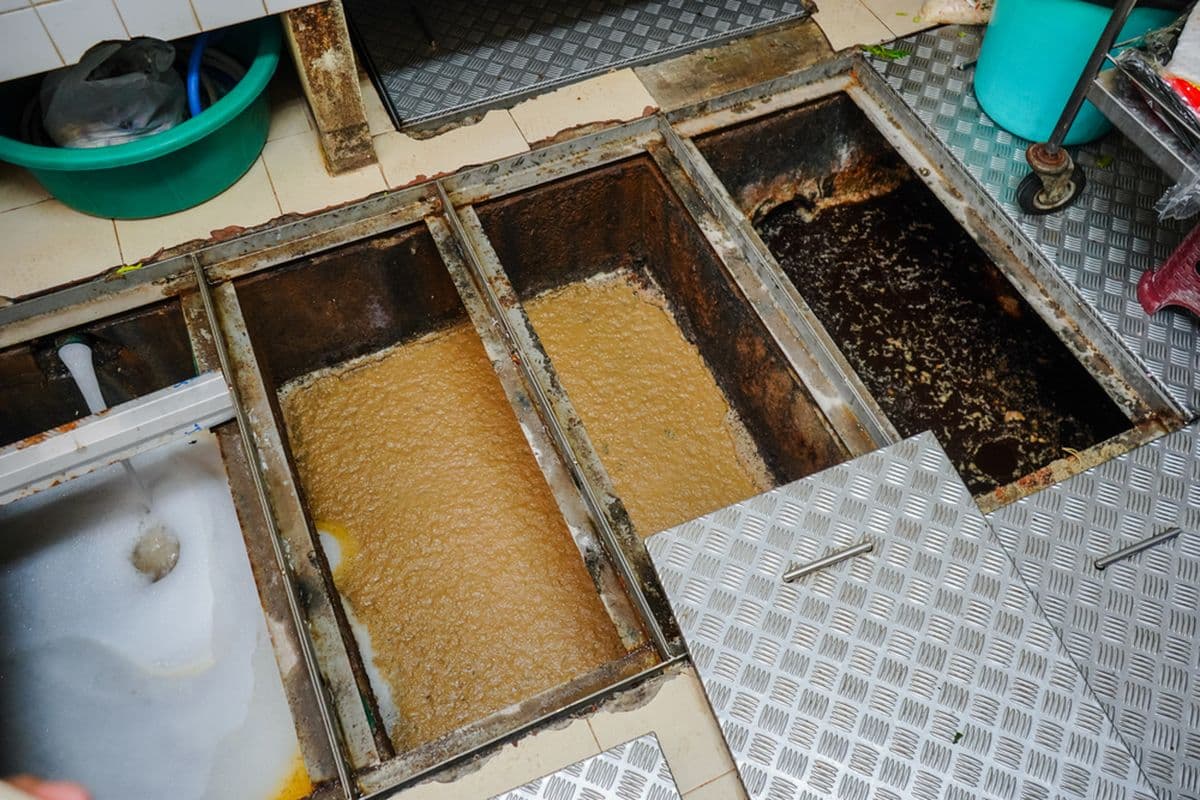
Open grease trap interceptor showing separated surface layer.

Grease traps and interceptors

Food service and processing · pre-treatment

Fats, oils and grease separate and harden into a surface cap, with solids settling below it, until the trap can no longer hold its rated capacity.

Bioaugmentation degrades FOG as material, slowing the rate at which the trap fills between scheduled pump-outs.

It reduces the organic load reaching the collection system; it does not remove the need for scheduled pumping or replace a maintenance contract.

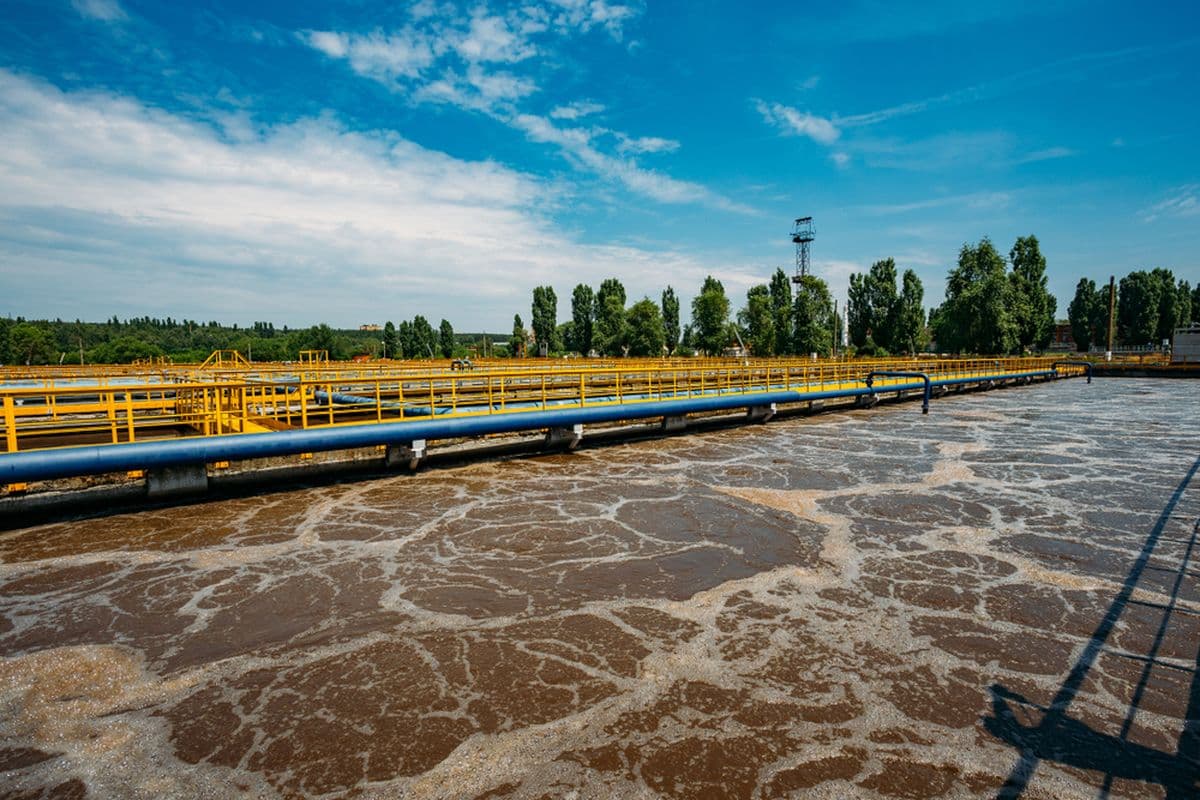
Aeration basin with surface turbulence from diffused air.

Aeration tanks

Activated sludge · mixed liquor and clarification

Mixed liquor carries a continuous organic load, and how well it settles determines what the clarifier can actually recover.

Enzymatic hydrolysis of organic solids can improve settling characteristics and lower biochemical oxygen demand where organic loading is the limiting factor.

Aeration capacity, hydraulic loading and return rates are mechanical constraints. A biological addition does not substitute for any of them.

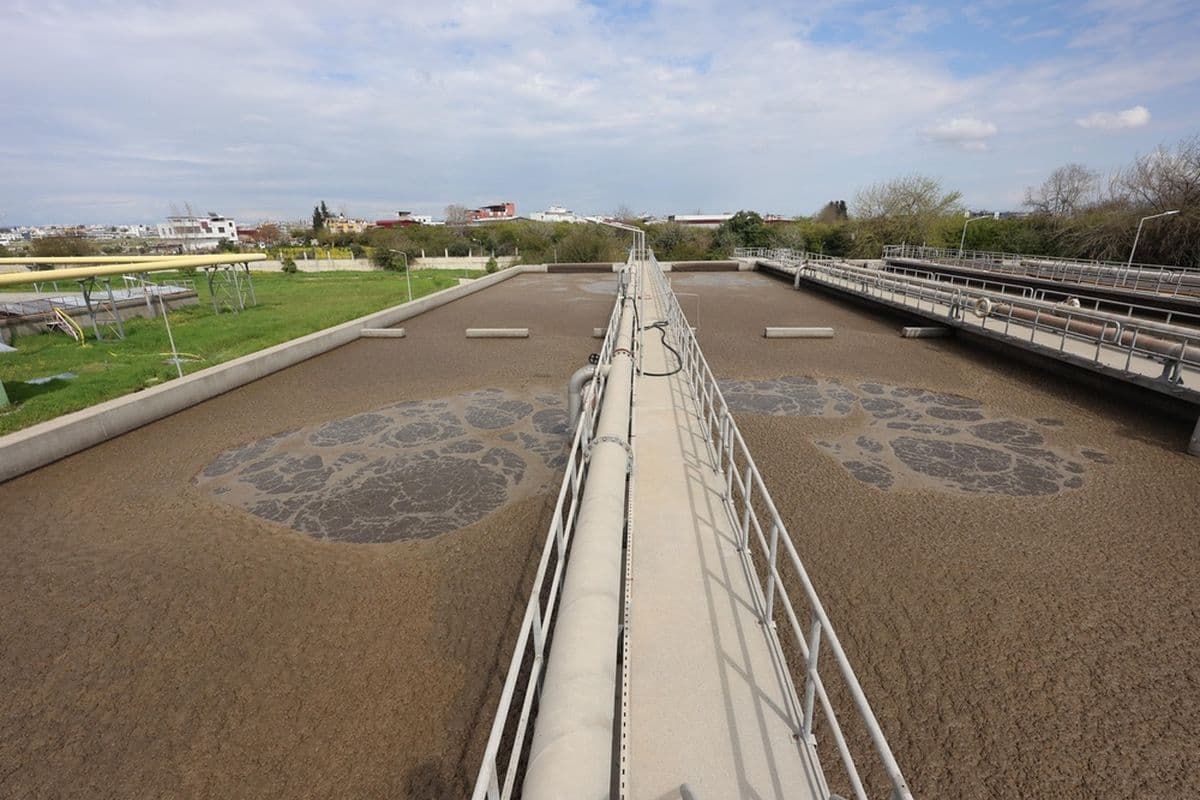
Sludge holding tank surface showing accumulated solids.

Sludge holding tanks

Solids handling · thickening and storage

Thickened solids accumulate faster than the haulage schedule clears them, and disposal is billed by the ton.

Reducing volatile solids reduces the mass that has to be transported and disposed of, which is where the cost sits.

Only the volatile fraction reduces. The inert mass is unchanged and still has to leave the site.

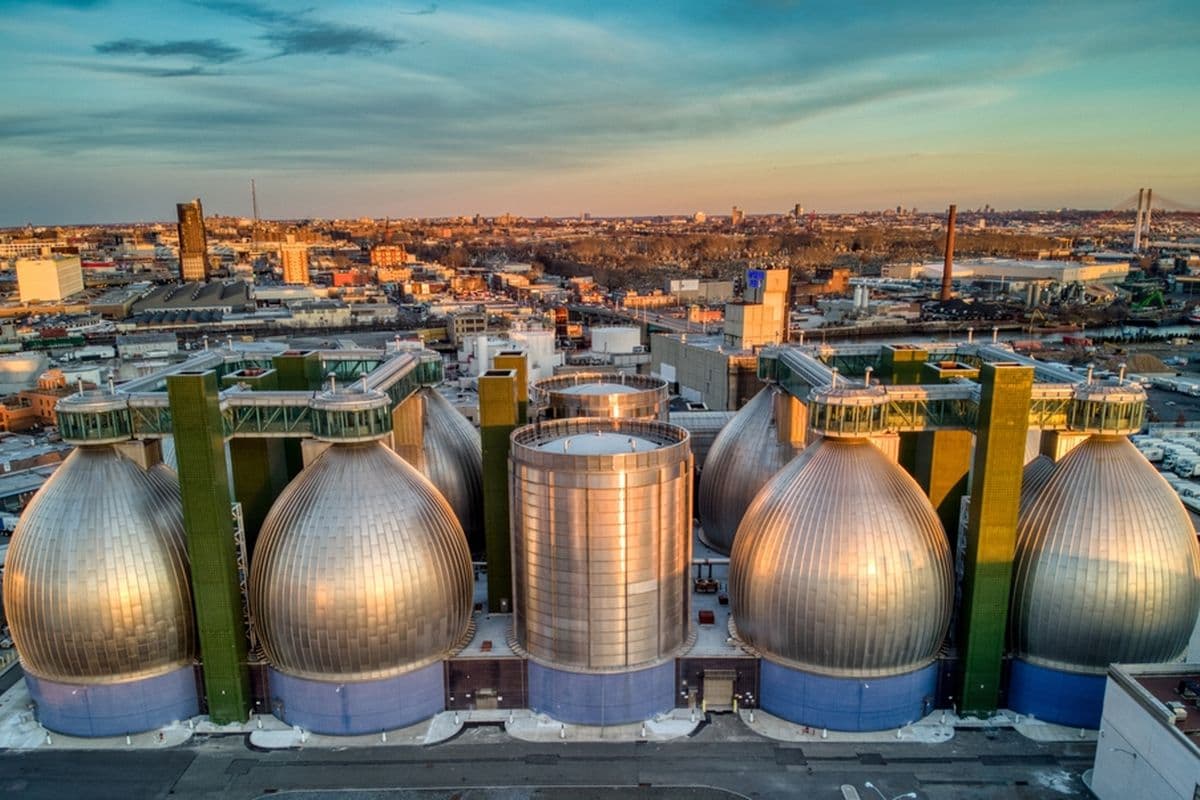
Anaerobic digester vessels at a wastewater treatment facility.

Anaerobic digesters

Solids handling · stabilisation

Volatile solids loading governs both the destruction rate achieved and how much biosolids material remains at the end of it.

Supplemental organisms and enzymes act on volatile solids, and volatile solids destruction is the measure that matters.

Retention time, temperature and mixing govern digester performance. A biological addition works within those limits rather than around them.

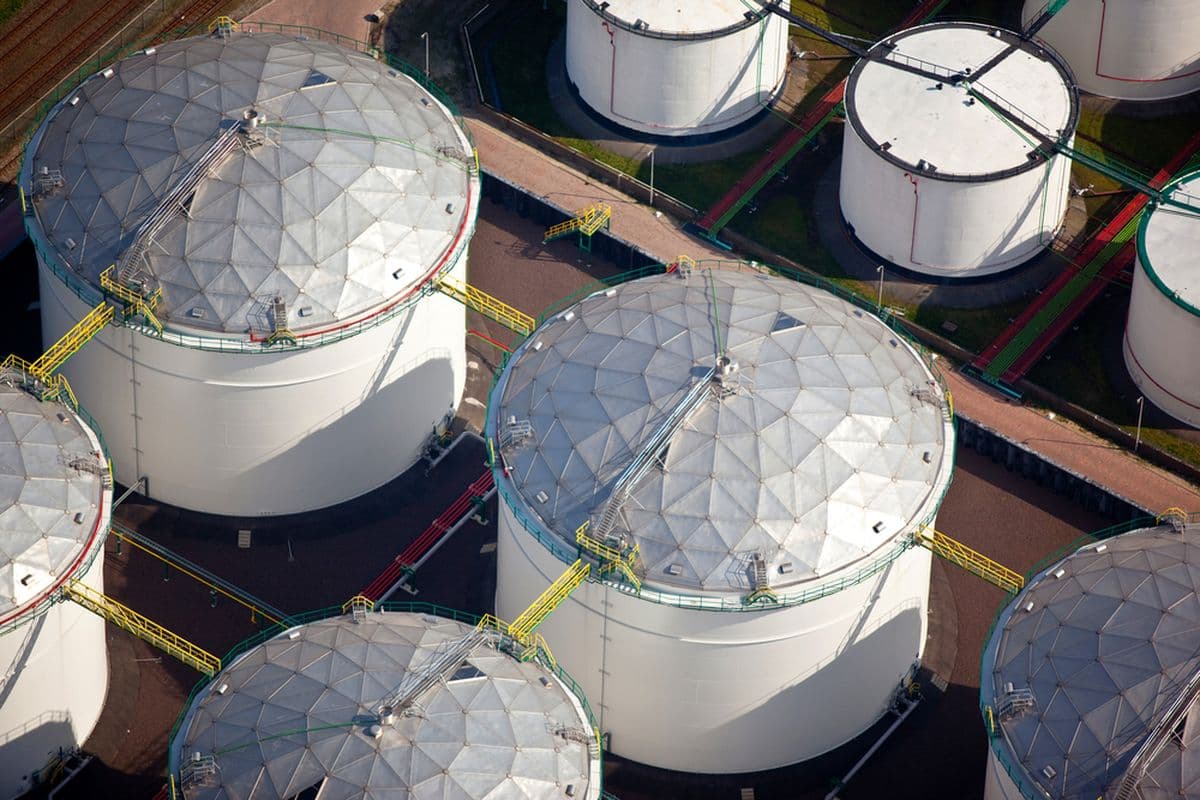
Aboveground steel storage tanks at an industrial facility.

Aboveground storage tanks

Industrial · process and effluent storage

Organic solids settle to the tank floor and consolidate, quietly taking working volume out of the vessel.

Digesting the volatile fraction of that layer reduces the mass that eventually has to be pumped out and hauled away.

The inert fraction consolidates and remains regardless of dose, and tank cleaning is still a periodic requirement.

What wastewater applications does SediLogic supply products for?

Wastewater lagoons. That is the duty the launch range was built around, because a sludge blanket sitting under several feet of water is the hardest delivery problem of the set. The other places organic material collects in a treatment works — lift stations, grease traps, aeration and sludge tanks, digesters and storage tanks — accumulate the same volatile material in different geometry and the wider range reaches them, but they are deferred beyond the lagoon launch: SediLogic will not size a duty whose manufacturer dose table it has not yet loaded.

Is the same product used across the whole lagoon?

No. Where the material sits determines what can reach it, so format follows the duty rather than the other way round. A dense sinking solid is what reaches a benthic sludge blanket; a soluble pouch is what disperses through the water column. Each is dosed from the manufacturer's written table, and a rate written for a lagoon means nothing in another duty — a pounds-per-acre lagoon rate applied to a grease trap is how under-dosed orders happen, which is one reason the launch range stays on the duty it was built for.

What will bioaugmentation not fix in any of these applications?

Only the volatile organic fraction responds, in every application without exception. Sand, grit, silt, mineral precipitates and plastics are not biodegradable and remain regardless of dose, product or format. Rag and wipes in a wet well still need removing mechanically, a grease trap still needs its scheduled pump-out, and digester retention time, temperature and mixing remain the governing constraints. Biological treatment works inside those limits rather than around them.

Dose correctly. Reduce what is treatable.

If it is a lagoon, we can size it.

Describe it and the planner names the product that fits — or tells you plainly that biological treatment is the wrong answer for the lagoon you have described.