About
Biological sludge treatment for municipal and industrial lagoons.
We supply dry and liquid biological treatments for municipal and industrial wastewater systems in the United States. Our blends are made to our specifications and tested across sludge types. We help you choose a product and quantity, and review each order before dispatch.
Why this company exists
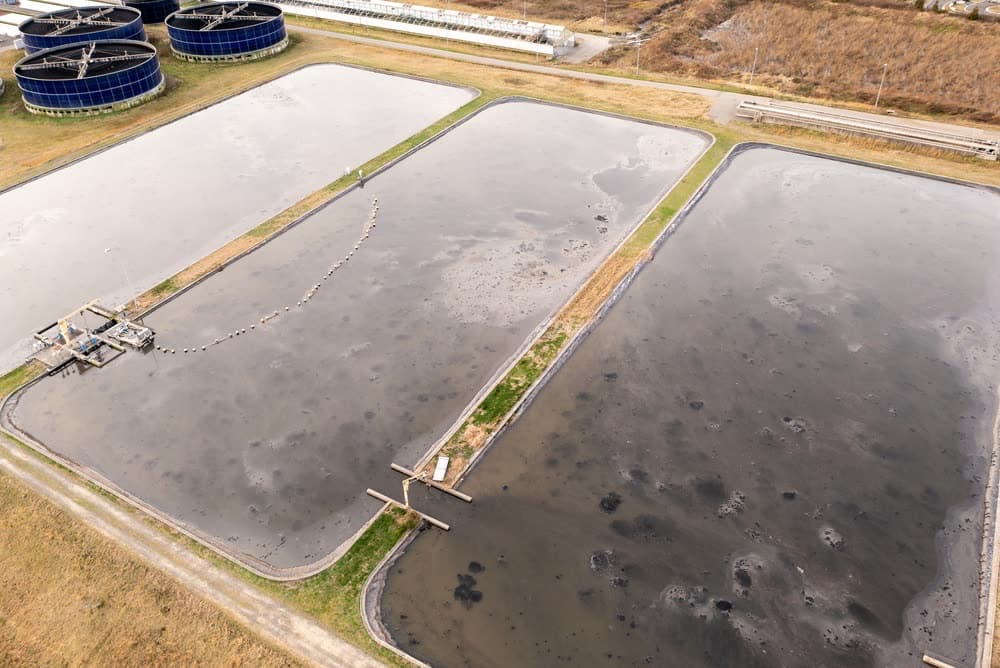
If you have tried lagoon bacteria and seen little change, you will want to know why another product would be different. Start with the sludge itself: how much is organic, where it has settled, and whether the lagoon has enough mixing and oxygen for treatment to work.
We built SediLogic around those questions. We explain what each product can treat, check the dose against the lagoon details you supply, and tell you when biological treatment is unsuitable.
Our product range
Four dry formats lead the range. Two sinking solids for accumulated organic bottom sludge, and two dry water-soluble pouches for maintenance dosing and general organic load — one of them a cold-weather blend for water too cold for the standard one. All are built on Bacillus spore-formers, which produce the proteases, lipases, amylases and cellulases that hydrolyse organic solids. These four are dry, because Bacillus forms spores that tolerate drying. A sinking solid delivers the blend to the settled sludge blanket. Our formulation work focuses on these dry products.
We also supply liquid blends for metered dosing and organic material in the water column. They are made to our specifications and tested alongside the dry range. For settled bottom sludge, we recommend a sinking solid.
A contract manufacturer produces our blends to our specifications. We select the strains, their ratios, the carrier and the enzyme package, then test the formulation for its intended use.
Sample testing and field evidence
We do not perform on-site sludge surveys. We can test a representative sample you collect and send us to assess how much of the sludge is potentially treatable. If you have survey figures, include them with your dosing-plan request. Our measurement guides explain how operators measure sludge and compare results over time.
Our case-study library collects published field results for these formulations. These are measurements from operating plants, not controlled trials. Each record identifies its source and any missing information, such as an untreated control or a measurement method. We include results above and below the usual published range.
How we talk about results
Three rules, applied to everything on this website and in every quotation.
Each figure is labelled by source: a field result, a vendor report or a controlled study. Where we have no independent evidence, we say so.
Sludge depth and dry mass measure different things. A blanket can become shallower as it settles without losing the same proportion of dry solids. That distinction matters when comparing results with dredging costs quoted per dry ton.
Bioaugmentation digests the volatile organic fraction. Sand, grit, silt, mineral precipitates and plastics remain at any dose.
01Who we work with
Municipal and industrial operators
Roughly 4,657 lagoon facilities hold NPDES permits in the United States, representing about a quarter of all municipal wastewater treatment facilities, with something nearer 8,000 once non-discharging systems are counted.
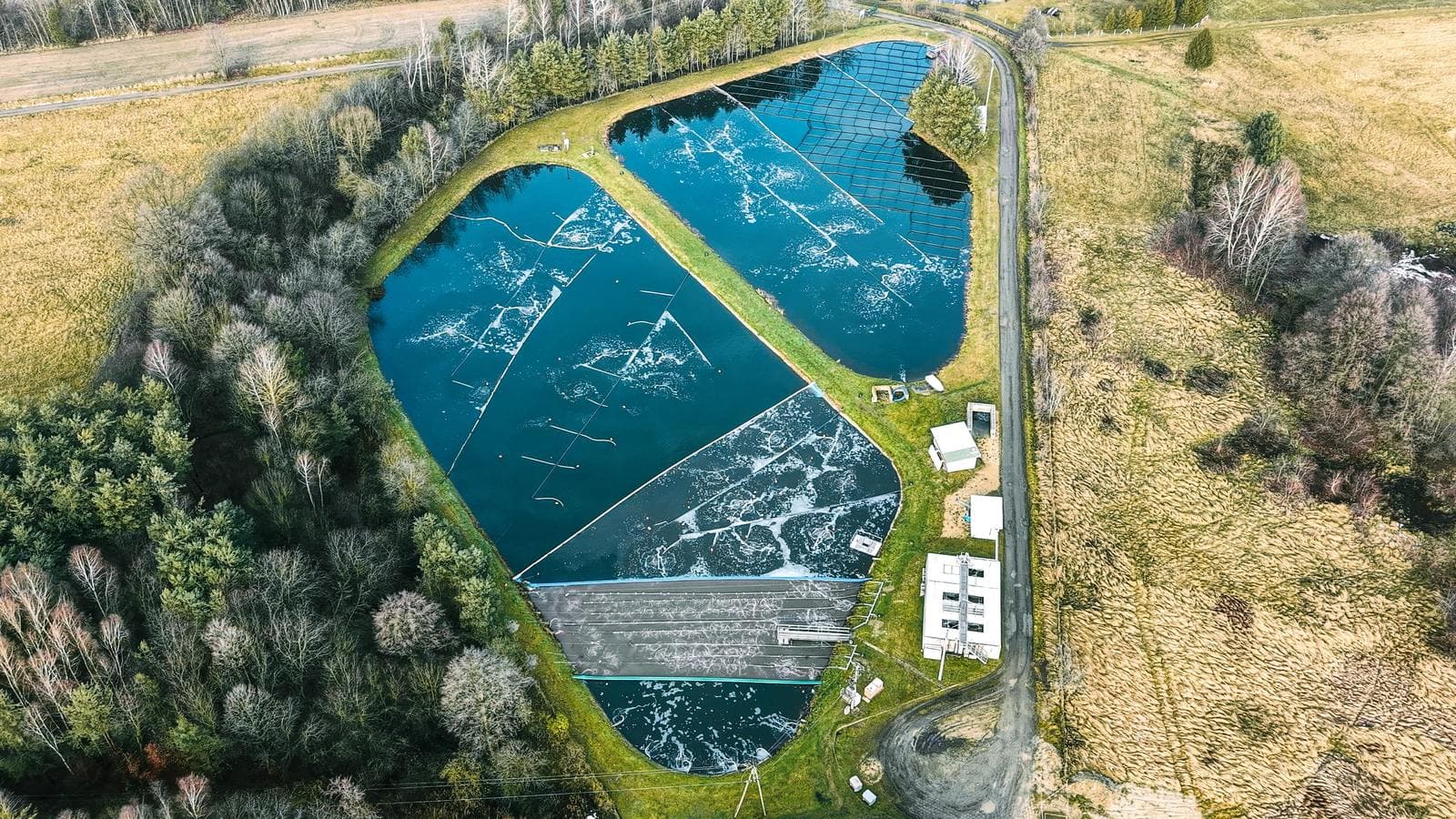
We work primarily with municipal lagoon operators. We accept purchase orders and provide the product documents needed for procurement and record-keeping.
We also work with industrial and food-processing lagoons, including meat, dairy, rendering, pulp and brewing facilities. Their organic loads vary considerably, so product selection starts with the wastewater and sludge at the site.