Skip to content
SediLogic Technologies

Collection systems

Municipal sewer line

A line that needed clearing every two months to stay ahead of grease accumulation.

2 to 7months

between scheduled clean-outs

Field resultUntreated control
Duty
Collection systems
Sector
Municipal
Treatment window
Ongoing
What was counted
Fats, oils and grease
  • Dosed from a slow-release block rather than a metering pump
  • The upstream section of the same line was left untreated
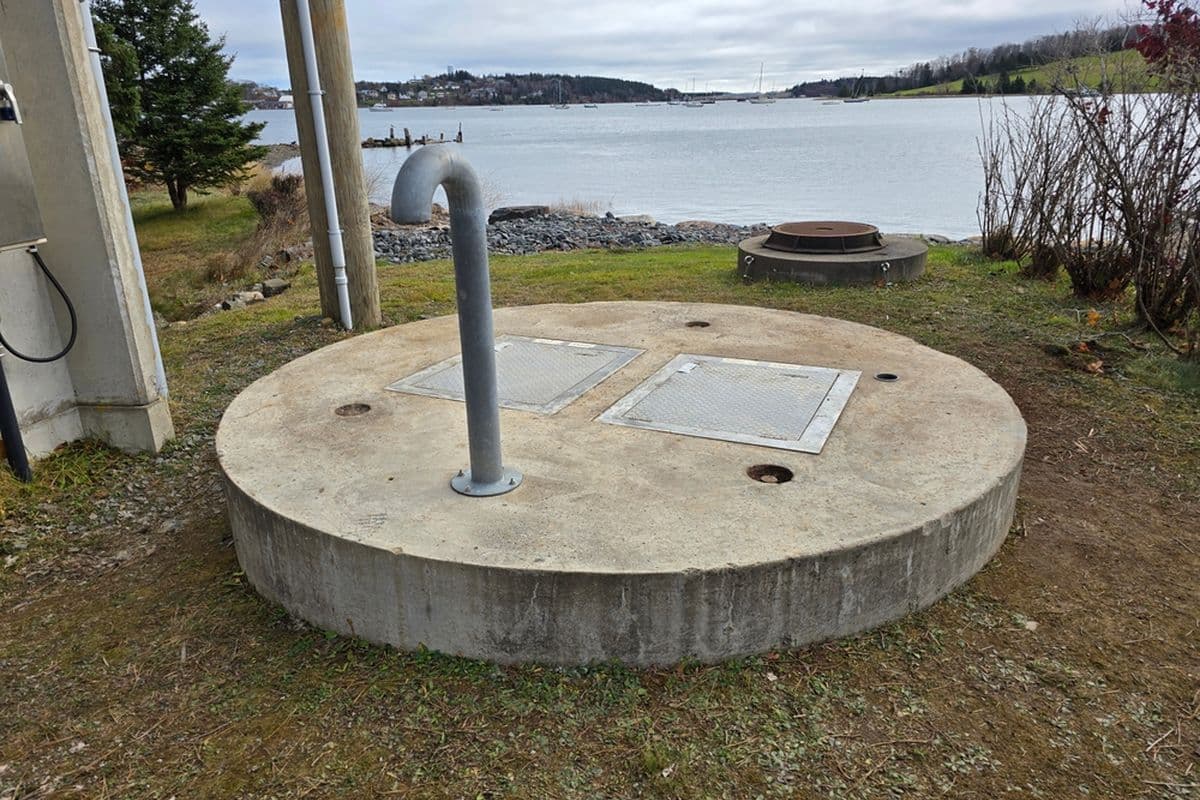
Interior of a wastewater lift station wet well with pump pipework.
Illustration — a lift station wet well, not the system described on this page.

01The plant

What was being treated

A municipal sewer line serving a shopping centre.

02Before

How the material got there

Grease from the centre was building in the line fast enough that it had to be cleaned every eight weeks, and what that cost was the reason to look for something else.

03Treatment

What was applied, and how

A slow-dissolving block in a mesh bag, lowered into the line and suspended in the flow. No pump, no power and no metering — it releases at the rate the water passes it.

Every result in this library was measured at an operating plant treating with one of the formulations SediLogic supplies, over the window stated above. It is a field result published as reported, not a controlled trial we ran.

04Sizing

What the quantity was set against

One block hung in the flow, replaced on how long a block lasts rather than on a schedule set by the line's volume. In a sewer under constant flow it is dissolution life that sets the interval, not the quantity of water going past.

05Method

How the result was established

The line was jetted first and a grease hot spot identified, then both sections inspected again five weeks later. The cleanout interval that followed was set by continued monitoring of the treated section rather than by that single comparison.

06Comparison

What was left untreated

The upstream section of the same line was left untreated while the downstream section was dosed, both starting from the same jetting on the same day. Five weeks later the untreated length had built substantial grease back, confirming how fast it reaccumulates there; the treated length had markedly less. Same line, same flow, same waste, one variable — which is the strongest thing any record on this site carries.

07Outcome

What followed

The cleanout cycle went from two months to seven.

08Limits

What this record does not establish.

Nothing was weighed or analysed. The comparison is visual: both lengths were inspected and photographed, and what is published is the difference an inspector saw rather than a mass of grease. Seven months is the municipality's own operating decision from continued monitoring, not a measured endurance limit. And upstream and downstream sections of one sewer are similar without being identical — the treated length sat below the hot spot, and where a length sits relative to the source affects what settles in it. The line is not identified.

Only the volatile organic fraction of a sludge responds to any of this. Grit, sand, silt, mineral precipitates and plastics remain at any dose, here and everywhere else.

What we would supply

For this duty, in our range.

SediLogic Liquid FOG is the article in the range built for this — a liquid concentrate aimed at fats, oils and grease, dosed into the wet well or upstream of it. A wet well cycles too fast for a solid to be the right vehicle, and the material to be digested is on the walls and in the cap rather than on a bed.

SediLogic holds a written dose table for wastewater lagoons and for no other duty, so the planner will not size a wet well. Tell us the station, the cycle and what is reaching it, and a quantity is settled with a person.

Read next

The same duty, measured somewhere else.

  • Collection systems

    Municipal sewer system

    Municipal30 days

    70%

    reduction in fats, oils and grease

    Field result

    Ten thousand dollars a month going on grease removal from force mains and lift stations, on top of a chemical dosing programme.

    • A 50 per cent reduction reported in disposal cost
    Fats, oils and grease
  • Wastewater lagoons

    Food processing lagoon, Midwestern United States

    IndustrialJune to September

    100 to 60%

    surface coverage by the grease cap, in three weeks

    Field resultConfounded

    A fat, oil and grease cap covering the whole lagoon surface, cutting oxygen transfer into the water beneath it and standing between the plant and its irrigation discharge.

    • Cap thickness 6 in to 2 in
    • 75 per cent less material reported as requiring dredging
    • Surface aerators were taken out of service during the same period
    Fats, oils and greaseSludge depth and solids
  • Grease traps

    Grease interceptors at a large resort

    IndustrialOngoing, first results in weeks

    71%

    reduction in fats, oils and grease

    Field result

    Three restaurant kitchens sharing interceptors that were filling faster than the pump-out schedule could keep up with, with grease backing up into sinks between visits.

    • A 40 per cent reduction reported in treatment cost
    Fats, oils and grease

All field results

Your lagoon next

This was measured somewhere else.

A different plant, a different loading and a different sludge. What decides your result is how much of your own accumulation is organic and treatable, and whether the dose is sized against the lagoon in front of us rather than read off this page. Tell us the dimensions and we will size it.