
Skip to content
SediLogic Technologies

Aeration basins

Municipal activated sludge plant, 5 MGD

A food-processing load arriving at a municipal works, bringing enough grease with it to drive filamentous growth and cost the plant its settling.

20%

reduction in secondary sludge production

Field result
Duty
Aeration basins
Sector
Municipal
Treatment window
1 year
What was counted
Fats, oils and grease, Sludge depth and solids, Suspended solids, Settling
  • Effluent TSS 12–16 ppm to under 5 ppm
  • Polymer use halved
  • 1,500 cubic feet of accumulated grease digested inside two months
  • Sludge cake 25 per cent drier
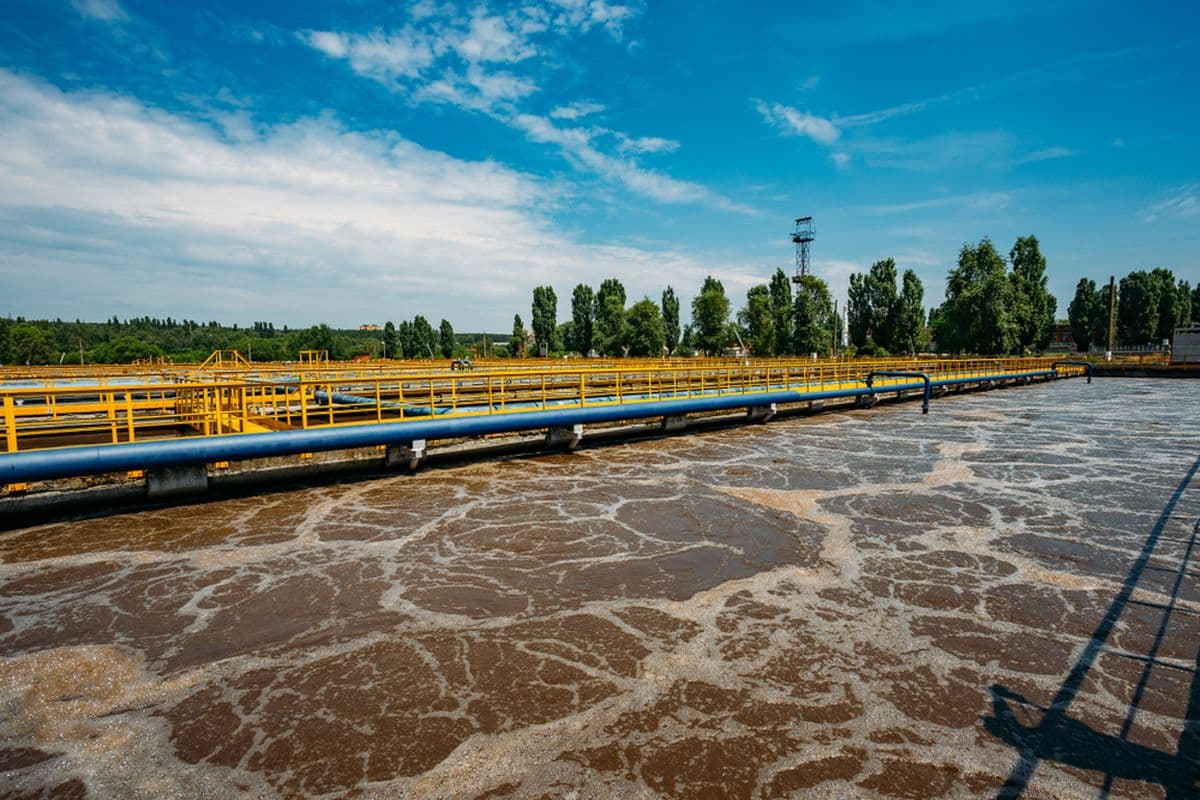
Aeration basin with surface turbulence from diffused air.
Illustration — an aeration basin under diffused air, not the plant described on this page.

01The plant

What was being treated

A municipality's activated-sludge works taking about 5 MGD, with a food-processing load arriving in the influent.

02Before

How the material got there

Grease in the incoming flow was high enough to favour filamentous growth in the biomass, and the works had lost its settling. Polymer went in continuously to hold it. Secondary sludge production was high and expensive to deal with, the filter-pressed cake came off at fifteen to seventeen per cent solids, and 1,500 cubic feet of grease stood in the scum pit with about another thirty-five arriving every week — all of it lifted out by hand and hauled to landfill.

03Treatment

What was applied, and how

A biological powder blended for high-grease influent, applied across a full year with the stated objects of a healthier biomass, less secondary sludge, better settling and no standing grease.

Every result in this library was measured at an operating plant treating with one of the formulations SediLogic supplies, over the window stated above. It is a field result published as reported, not a controlled trial we ran.

04Method

How the result was established

Twelve months of the plant's own records read together — effluent suspended solids, polymer consumption, secondary sludge production and the solids content of the pressed cake — alongside the operators' observation of the scum pit.

05Outcome

What followed

The grease accumulation was visibly degrading about a month in and had gone two months after that. The works also reported running better through cold weather, which it attributes to the change in the biomass rather than to anything it did differently.

At the start

Effluent suspended solids 12–16 ppm with polymer dosed continuously to hold settling, pressed cake at 15–17 per cent solids, and 1,500 cubic feet of grease standing in the scum pit.

At the close

Effluent suspended solids under 5 ppm, polymer use halved, cake 25 per cent drier, secondary sludge production down 20 per cent, and the scum-pit accumulation gone.

06Limits

What this record does not establish.

A year is a long window and nothing was left untreated across it, so twenty per cent is a before-and-after at one works rather than a controlled result. No incoming grease concentration is published, which means there is no way to tell whether the load itself changed: a food-processing discharger altering its own practice would move every number on this page. The works is not named.

Only the volatile organic fraction of a sludge responds to any of this. Grit, sand, silt, mineral precipitates and plastics remain at any dose, here and everywhere else.

What we would supply

For this duty, in our range.

SediLogic Liquid is the article in the range that reaches this — a concentrate for systems that take a metered or poured dose rather than a solid one, which is what a basin under continuous flow is. Nothing in the dry range is the right vehicle for mixed liquor: a sinking solid is built to leave the water column, and mixed liquor is the water column.

SediLogic holds a written dose table for wastewater lagoons and for no other duty, so the planner will not size a basin. A quantity for one is settled with a person against your flow and your loading.

Read next

The same duty, measured somewhere else.

  • Aeration basins

    Containerboard mill, two 14 MG aeration lagoons and a 3 MG polishing lagoon

    IndustrialOne month from a January application

    60%

    lower effluent BOD within a month of dosing

    Field result

    A million gallons a day of mill effluent, and a BOD figure that climbed every winter as the water cooled and biological activity fell away with it.

    • Applied in January, at the coldest point of the year
    BOD and COD
  • Aeration basins

    Dairy processing plant, 1.9 MGD

    IndustrialImprovement inside 4 months

    $40,000

    reported annual saving once settling recovered

    Field resultNo method stated

    Nine months of filamentous growth had taken the settled-volume test above 980 ml/L, so the clarifier could not hold solids and the plant was paying to haul them away.

    • $110 a day of disposal cost avoided
    • Influent BOD around 500 mg/L on 7,192 m³/day
    • No closing settled-volume figure was recorded
    Settling
  • Aeration basins

    Beverage and milk processing plant, Thailand

    Industrial60 days

    60days

    to clear the foam blanket

    Field resultNo method stated

    A stable foam blanket on the aeration basin, fed by grease in the incoming load and unaffected by the usual mechanical answers.

    • No measured figure was recorded, only the outcome and the window
    SettlingFats, oils and grease

All field results

Your lagoon next

This was measured somewhere else.

A different plant, a different loading and a different sludge. What decides your result is how much of your own accumulation is organic and treatable, and whether the dose is sized against the lagoon in front of us rather than read off this page. Tell us the dimensions and we will size it.