
Skip to content
SediLogic Technologies

Industrial pre-treatment

Underground fixed-film reactor

Grease accumulating through the media of a buried reactor, where cleaning means confined-space entry.

$10,000

reported saving on grease cleaning

Field resultNo method stated
Duty
Industrial pre-treatment
Sector
Industrial
Treatment window
Not published
What was counted
Fats, oils and grease
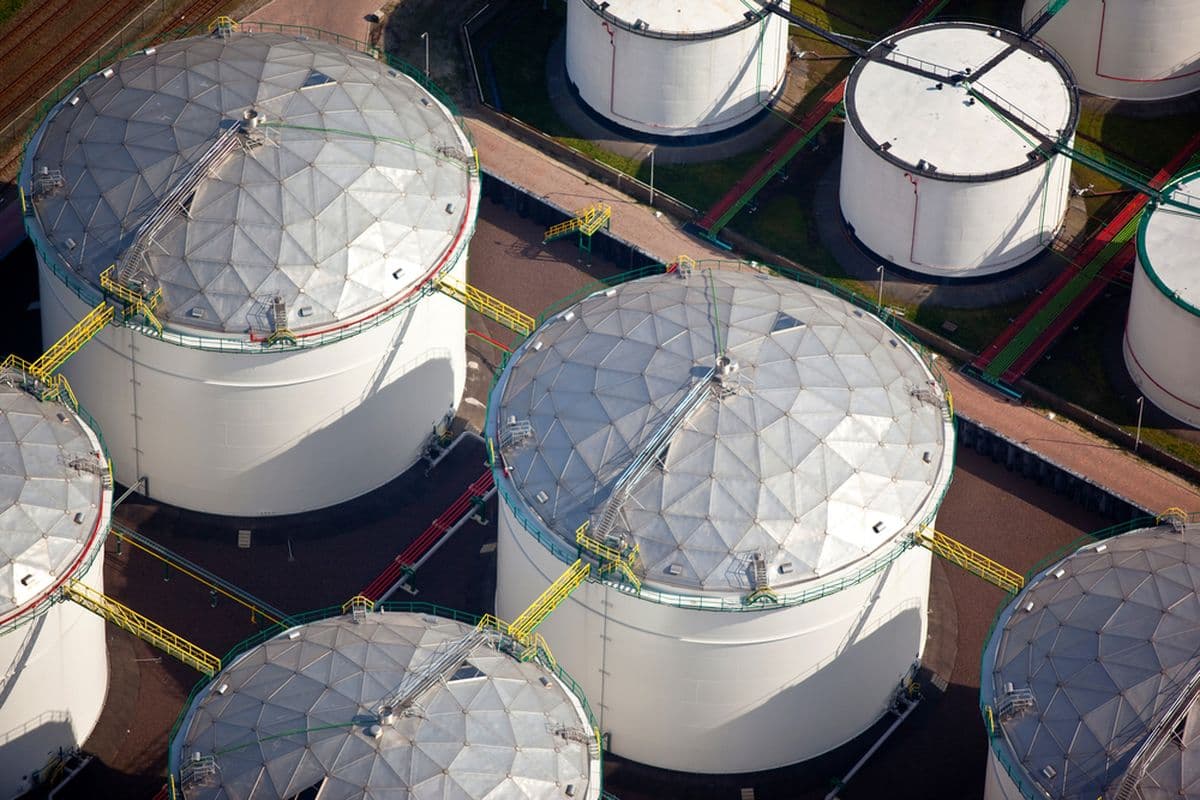
Aboveground steel storage tanks at an industrial facility.
Illustration — aboveground tanks at an industrial site, not the plant described on this page.

01The plant

What was being treated

A buried fixed-film wastewater treatment system serving a country club golf course.

02Before

How the material got there

Grease had clogged the media so thoroughly that the stationary bed was starting to float, and effluent quality had gone with it. Cleaning it by hand meant excavating the whole system: priced at ten thousand dollars, and two weeks or more with the plant down.

03Treatment

What was applied, and how

A high-strength grease-degrading blend recirculated through the reactor for four days with the flow held off, then the flow brought back on and a maintenance dose continued from there.

Every result in this library was measured at an operating plant treating with one of the formulations SediLogic supplies, over the window stated above. It is a field result published as reported, not a controlled trial we ran.

04Sizing

What the quantity was set against

A recirculation charge first and a maintenance dose after, because the two jobs are not the same job. Clearing an accumulation that is already there is set against what is there; holding a system clear afterwards is set against the grease still arriving.

05Outcome

What followed

The excavation was not needed. Dosing was then recommended as routine after each scheduled cleaning rather than kept for a rescue.

At the start

Media clogged with grease to the point that the stationary bed was beginning to float, effluent quality poor.

At the close

System unclogged and effluent quality restored, on a follow-up assessment at the end of the treatment period.

06Limits

What this record does not establish.

The ten thousand dollars is the quoted cost of an excavation that did not happen, not a measured saving. Nothing was sampled: no grease mass, no effluent figure at either end, and the assessment that closed it is described only as a follow-up. Nothing was left untreated and the club is not named. A buried fixed-film reactor is not a lagoon, and neither the method nor the timescale transfers to one.

Only the volatile organic fraction of a sludge responds to any of this. Grit, sand, silt, mineral precipitates and plastics remain at any dose, here and everywhere else.

What we would supply

For this duty, in our range.

SediLogic Liquid is the article in the range that reaches this — a concentrate for systems a solid cannot be dosed into, which covers most of what sits upstream of an industrial outfall. Where the target is instead an accumulated blanket in a holding basin, the sinking solids are the right format and the lagoon products apply.

SediLogic holds a written dose table for wastewater lagoons and for no other duty. Industrial loads are also the least alike of anything on this site — a rate set for one plant's effluent means very little at the next — so a quantity here is settled with a person, against your own stream.

Read next

The same duty, measured somewhere else.

  • Industrial pre-treatment

    Coking plant effluent treatment

    IndustrialWeeks

    29 to 86%

    ammonia removal

    Field resultConfounded

    A nitrifying population that would not establish itself, leaving ammonia removal at less than a third of what the permit assumed.

    • COD removal reported as improved over the same period

    Nitrifying organisms do not survive drying. No product in SediLogic's dry range addresses an ammonia or total-nitrogen permit, and this record is published as part of the field record rather than as an offer.

    Nitrogen and ammoniaBOD and COD
  • Industrial pre-treatment

    Refinery aeration basin

    IndustrialSustained over 4 years

    $200,000

    a day of loss reported as avoided

    Field resultNo method stated

    Floc that would not form reliably in the basin, with the compliance consequence of losing it measured in the hundreds of thousands of dollars a day.

    • Reported as holding for four years
    Settling
  • Industrial pre-treatment

    Crude refinery, Central America

    Industrial90 days

    68%

    reduction in extractable petroleum hydrocarbons

    Field resultConfounded

    Oily sludge holding extractable petroleum hydrocarbons at a concentration that made disposal the only route available.

    • 29,195 ppm to 9,395 ppm over 90 days
    Hydrocarbons

All field results

Your lagoon next

This was measured somewhere else.

A different plant, a different loading and a different sludge. What decides your result is how much of your own accumulation is organic and treatable, and whether the dose is sized against the lagoon in front of us rather than read off this page. Tell us the dimensions and we will size it.